Artologium

Art, in relation.

Ways of seeing

Follow a detail, enter an exhibition, build a comparison or try an original drawing instrument. Choose a question and stay with it.

Follow a fascination / across collections

A pattern changes
its surface.

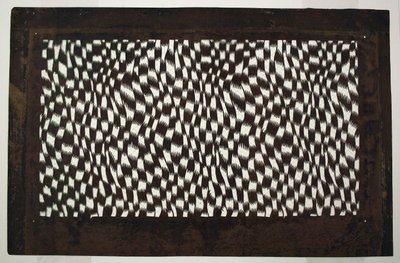
Start with a stencil. Follow the making—or the border. Keep the works that hold your attention.

Follow the question →
mid 18th - early 19th century · Cooper Hewitt, Smithsonian Design MuseumInstitution record ↗
Complete object & source
GEOMETRIC PATTERN IMITATING WARP IKAT (KASURI)

Geometric Pattern Imitating Warp Ikat (Kasuri)

Maker
Maker unrecorded
Date
mid 18th - early 19th century
Collection
Cooper Hewitt, Smithsonian Design Museum
Accession
1976-103-110
Credit
Gift of Helen Snyder
Rights
CC0

Complete source image, unmarked.

Open institutional record ↗

Choose a question. Stay with a detail. See where it takes you.

01 / Guided looking

Let a detail lead.

Look across works through line, rhythm, fold, plant form, colour and material memory. These are authored visual exercises across six museum collections; resemblance alone does not establish historical contact.

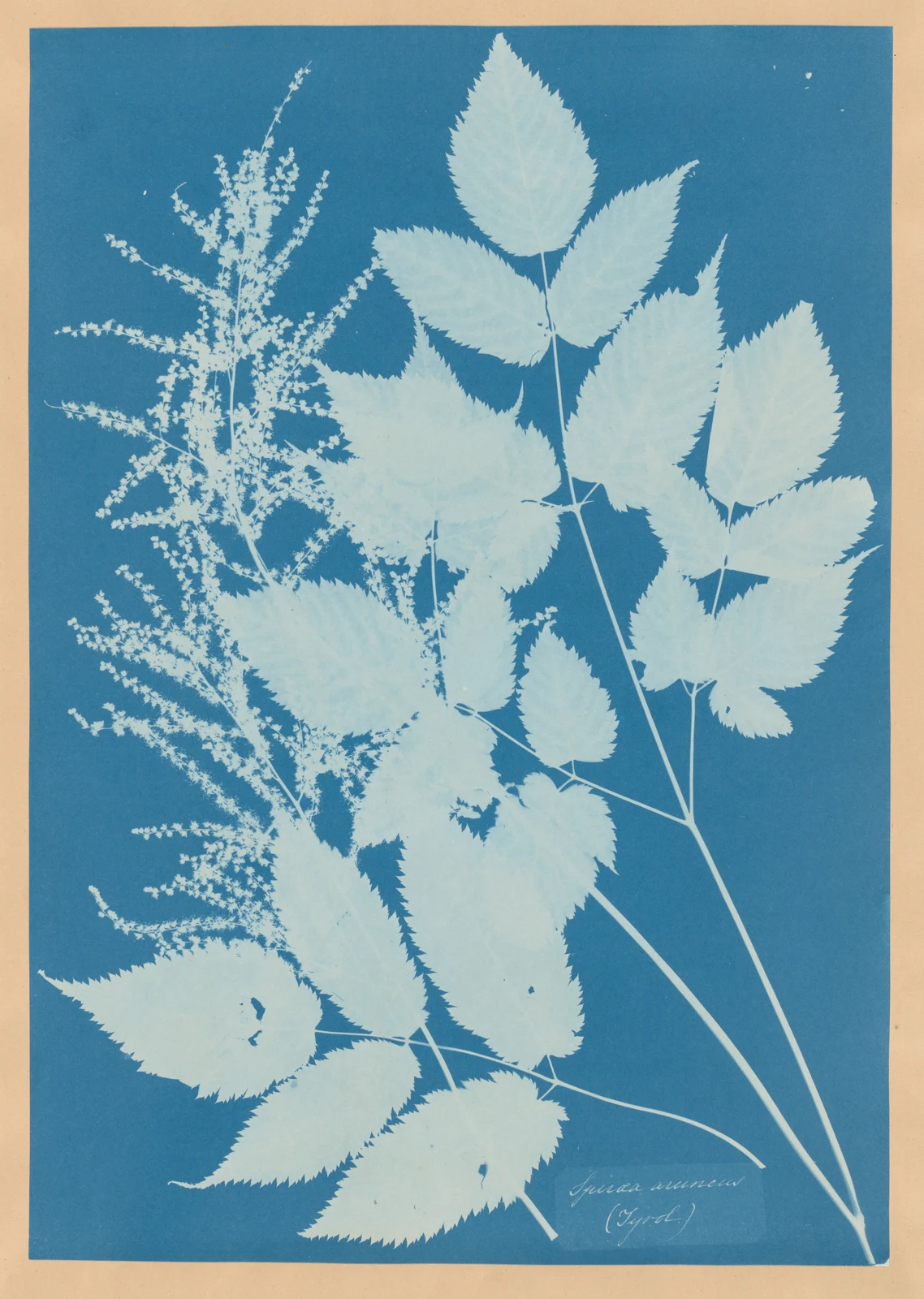
Pale branching leaves and stems appear against a deep cyanotype blue.
Photography
Image & source
Pale branching leaves and stems appear against a deep cyanotype blue.

Photography / Source record

Spiraea aruncus (Tyrol)

Read the catalogue and evidence →
Maker
Anna Atkins
Date
1851–54
Medium
Cyanotype
Collection
The Metropolitan Museum of Art
Accession
2004.172
Credit
Purchase, Alfred Stieglitz Society Gifts, 2004
Rights
Public domain · CC0

Public domain · CC0. Resized and converted to WebP; no recoloring. Homepage details may be cropped; work record presents the full image. Editorial views may show a detail.

Institution’s full-resolution image ↗Museum reuse policy ↗Original museum record ↗Read the CC0 dedication ↗

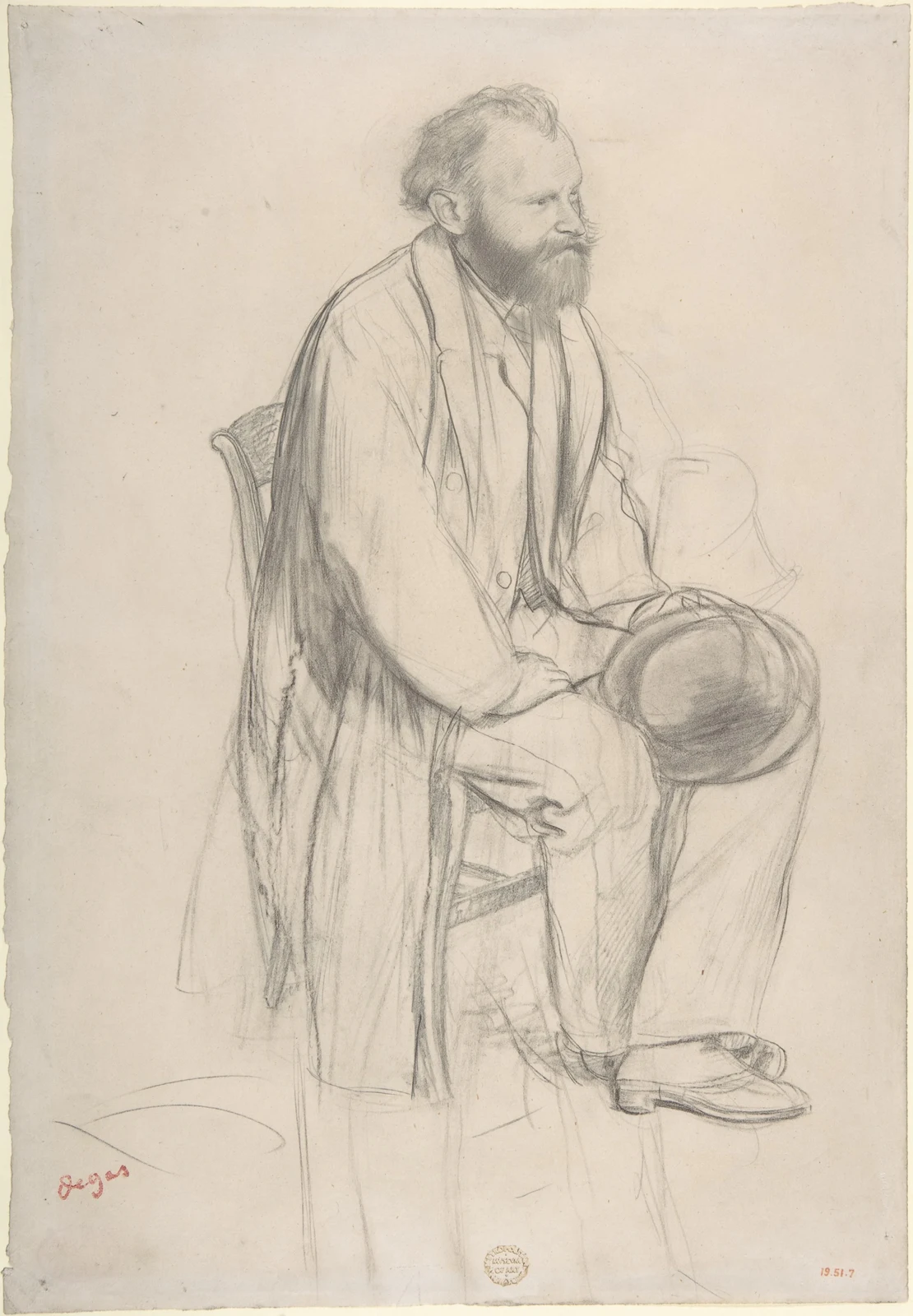
A seated man holds his hat; searching graphite and chalk lines describe his pose.
Drawing
Image & source
A seated man holds his hat; searching graphite and chalk lines describe his pose.

Drawing / Source record

Édouard Manet, seated

Read the catalogue and evidence →
Maker
Edgar Degas
Date
ca. 1868
Medium
Graphite and black chalk
Collection
The Metropolitan Museum of Art
Accession
19.51.7
Credit
Rogers Fund, 1918
Rights
Public domain · CC0

Public domain · CC0. Resized and converted to WebP; no recoloring. Homepage details may be cropped; work record presents the full image. Editorial views may show a detail.

Institution’s full-resolution image ↗Museum reuse policy ↗Original museum record ↗Read the CC0 dedication ↗

Path 01 / 6 works

Follow a line

A line can be carved into a woodblock, incised into copper, drawn in black chalk, or ruled in graphite for a cabinetmaker. These six works across four museums ask your eye to move along a mark before asking what it represents.

Follow this path →
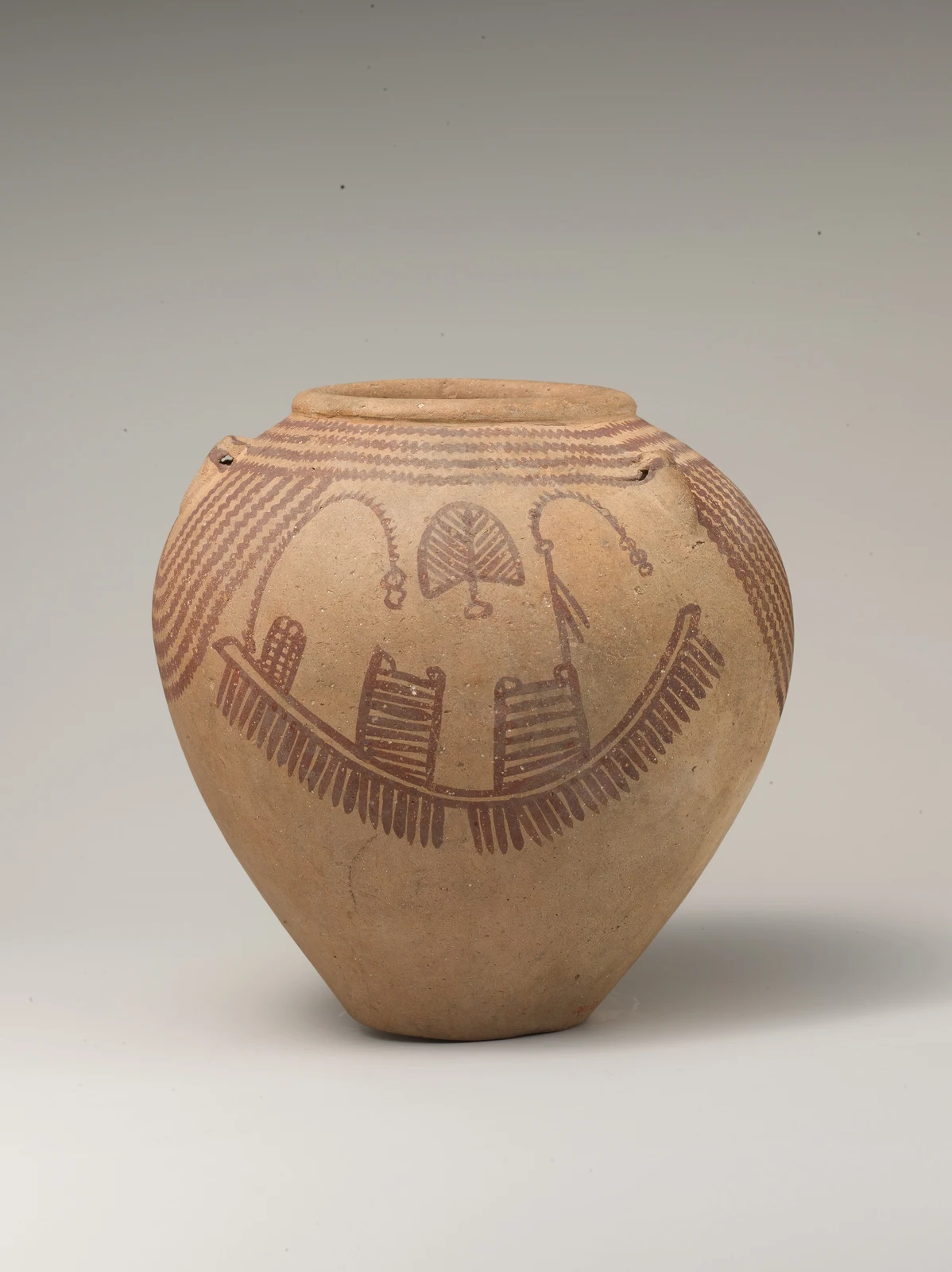
Red-brown boats and repeated marks travel around a pale rounded vessel.
Clay
Image & source
Red-brown boats and repeated marks travel around a pale rounded vessel.

Clay / Source record

A vessel carrying boats

Read the catalogue and evidence →
Maker
Maker unrecorded
Date
ca. 3500–3300 BCE
Medium
Pottery, paint
Collection
The Metropolitan Museum of Art
Accession
36.1.121
Credit
Rogers Fund, 1936
Rights
Public domain · CC0

Public domain · CC0. Resized and converted to WebP; no recoloring. Homepage details may be cropped; work record presents the full image. Editorial views may show a detail.

Institution’s full-resolution image ↗Museum reuse policy ↗Original museum record ↗Read the CC0 dedication ↗

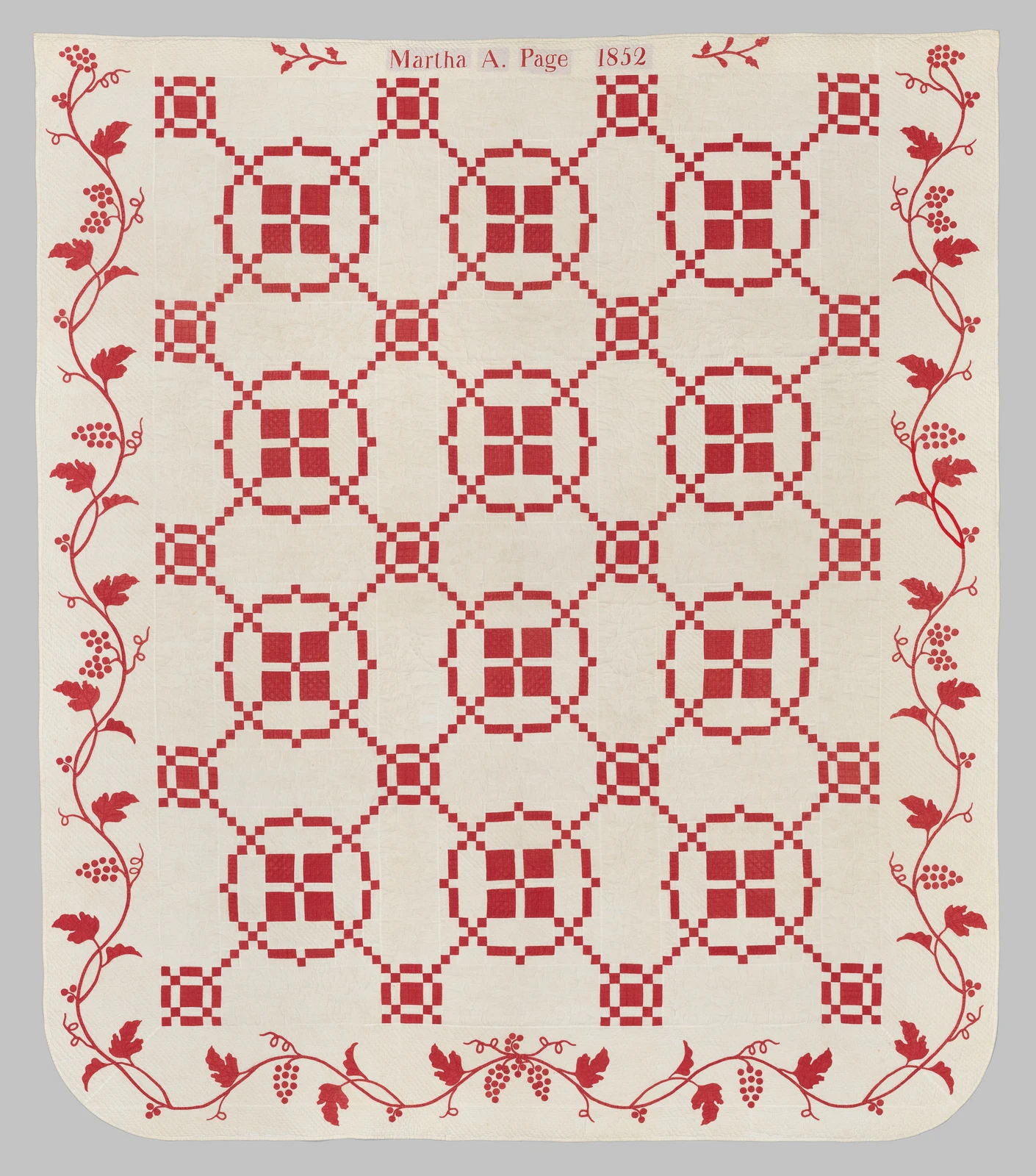
Small red and white squares form a repeating lattice across a cotton quilt.
Textile
Image & source
Small red and white squares form a repeating lattice across a cotton quilt.

Textile / Source record

Burgoyne Surrounded quilt

Read the catalogue and evidence →
Maker
Martha A. Page
Date
1852
Medium
Cotton
Collection
The Metropolitan Museum of Art
Accession
2017.17
Credit
Purchase, Louis and Virginia Clemente Foundation Inc. Gift, 2017
Rights
Public domain · CC0

Public domain · CC0. Resized and converted to WebP; no recoloring. Homepage details may be cropped; work record presents the full image. Editorial views may show a detail.

Institution’s full-resolution image ↗Museum reuse policy ↗Original museum record ↗Read the CC0 dedication ↗

Path 02 / 6 works

Notice what repeats

Repetition can circle a ceramic vessel, structure a patchwork quilt, break motion into frames, or continue across the mended crack of a lustre tile. Compare how six objects across four collections use recurrence.

Follow this path →
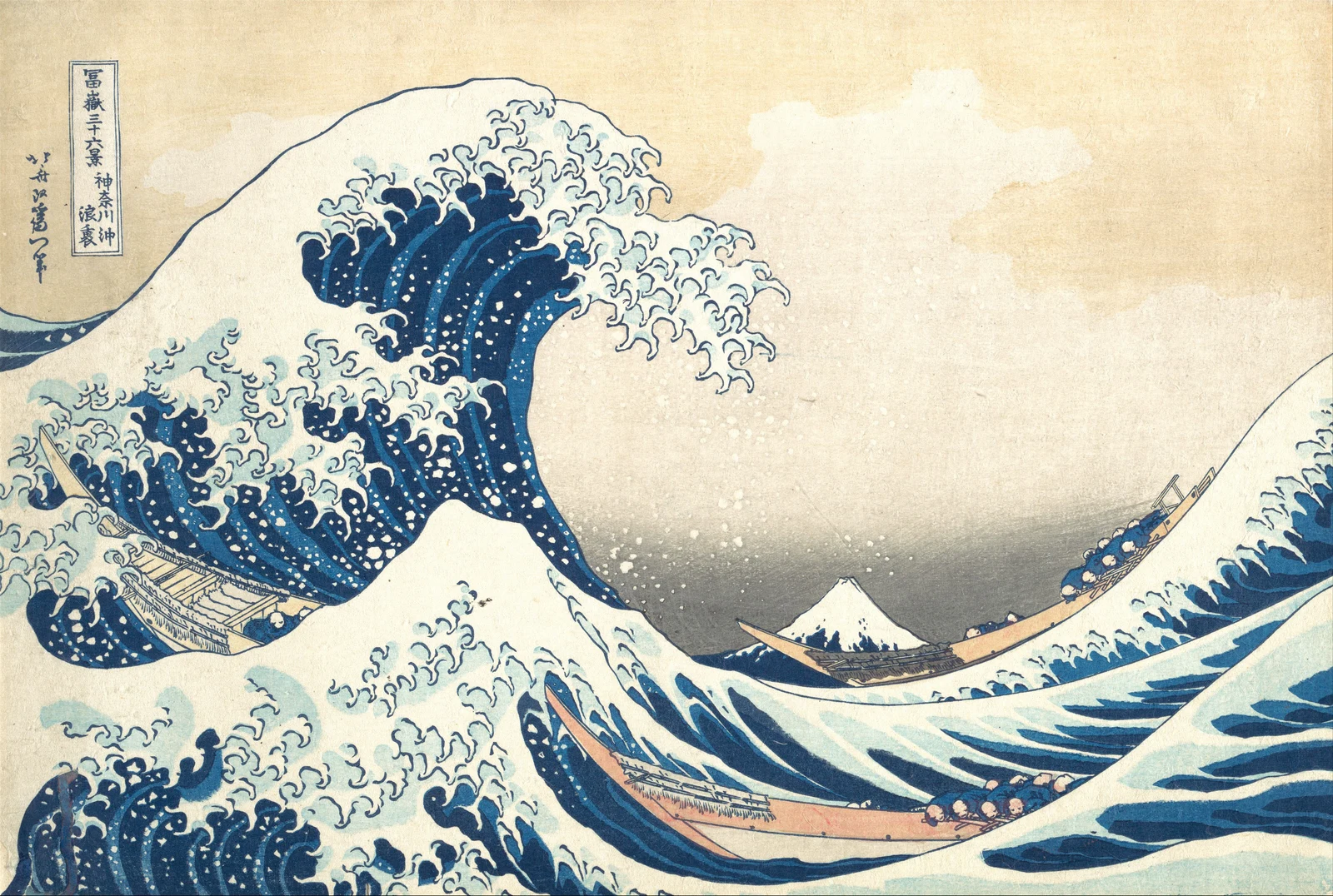
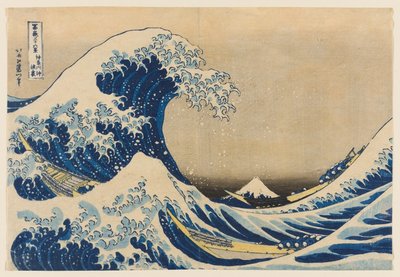
A wave curls over three long boats; Mount Fuji sits small beneath its arc.
Print
Image & source
A wave curls over three long boats; Mount Fuji sits small beneath its arc.

Print / Source record

Under the Wave off Kanagawa

Read the catalogue and evidence →
Maker
Katsushika Hokusai
Date
ca. 1830–32
Medium
Woodblock print; ink and color on paper
Collection
The Metropolitan Museum of Art
Accession
JP1847
Credit
H. O. Havemeyer Collection, Bequest of Mrs. H. O. Havemeyer, 1929
Rights
Public domain · CC0

Public domain · CC0. Resized and converted to WebP; no recoloring. Homepage details may be cropped; work record presents the full image. Editorial views may show a detail.

Institution’s full-resolution image ↗Museum reuse policy ↗Original museum record ↗Read the CC0 dedication ↗

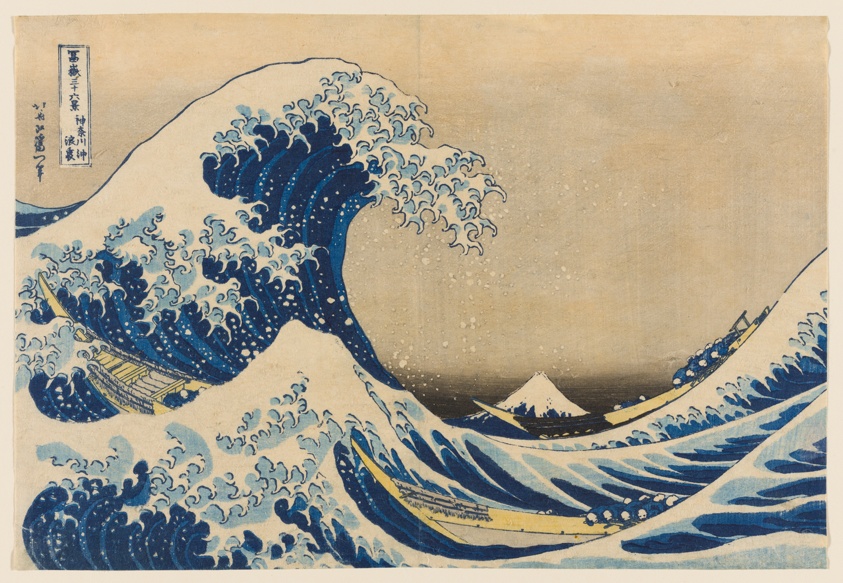
A color woodblock print of a large crashing wave, looms over two narrow boats full of people. Mt Fuji in the background. There is a faint peach colored sky.
Print
Image & source
A color woodblock print of a large crashing wave, looms over two narrow boats full of people. Mt Fuji in the background. There is a faint peach colored sky.

Print / Source record

Under the Wave off Kanagawa (Kanagawa oki nami ura), also known as The Great Wave, from the series "Thirty-Six Views of Mount Fuji (Fugaku sanjurokkei)"

Read the catalogue and evidence →
Maker
Katsushika Hokusai 葛飾 北斎 Japanese, 1760-1849
Date
1830/33
Medium
Color woodblock print; oban
Collection
The Art Institute of Chicago
Accession
1928.1086
Credit
Clarence Buckingham Collection
Rights
Public domain · CC0

Public domain · CC0. Unchanged copy of the institution’s verified web image; smaller responsive JPEGs are resized derivatives. Full-resolution image remains linked to the institution. Editorial views may show a detail.

Institution’s full-resolution image ↗Museum reuse policy ↗

Institutional rights designation checked 2026-10-17. Catalogue descriptions are normalized from source data; visual interpretation may be unassessed.

Original museum record ↗Read the CC0 dedication ↗

Path 03 / 5 works

How blue behaves

These five works across four museums share a visual colour family while differing in material, process, and date. Visual blue stays distinct from a claim that the same pigment was used.

Follow this path →
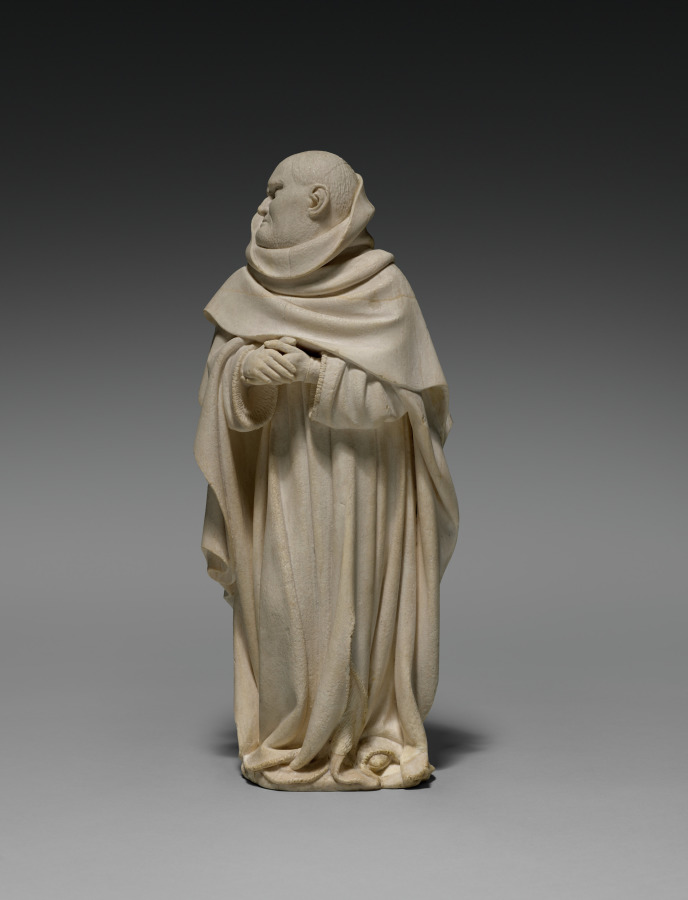
Mourner from the Tomb of Philip the Bold, Duke of Burgundy (1364–1404) — Sculpture by Claus de Werve (Netherlandish, 1380–1439). vizille alabaster.
Sculpture
Image & source
Mourner from the Tomb of Philip the Bold, Duke of Burgundy (1364–1404) — Sculpture by Claus de Werve (Netherlandish, 1380–1439). vizille alabaster.

Sculpture / Source record

Mourner from the Tomb of Philip the Bold, Duke of Burgundy (1364–1404)

Read the catalogue and evidence →
Maker
Claus de Werve (Netherlandish, 1380–1439)
Date
1404–10
Medium
vizille alabaster
Collection
The Cleveland Museum of Art
Accession
1958.67
Credit
Bequest of Leonard C. Hanna Jr.
Rights
Public domain · CC0

Public domain · CC0. Institution-provided display image; no Artologium pixel changes. Original-resolution image linked at source. Editorial views may show a detail.

Institution’s full-resolution image ↗Museum reuse policy ↗

Institutional rights designation checked 2026-10-17. Catalogue descriptions are normalized from source data; visual interpretation may be unassessed.

Original museum record ↗Read the CC0 dedication ↗

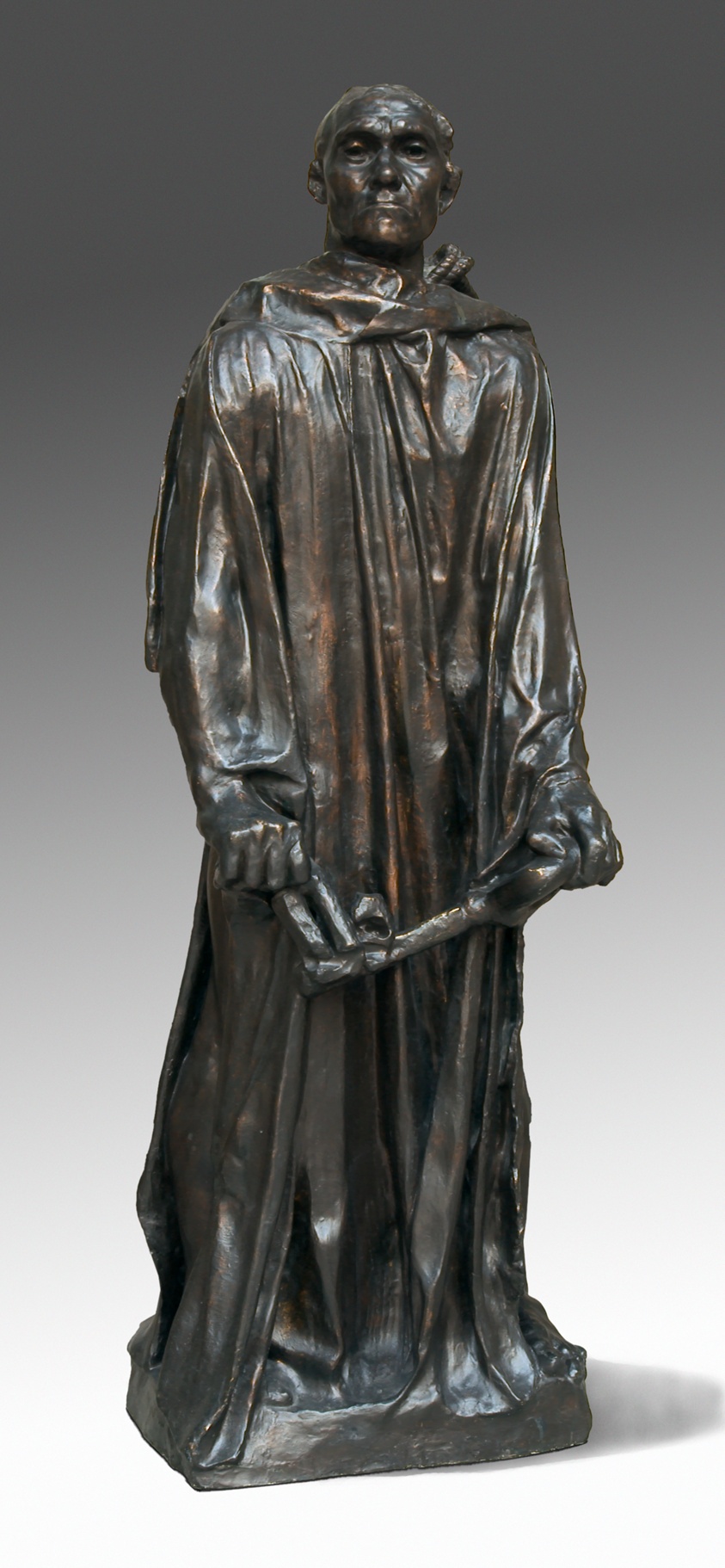
A work made of plaster.
Sculpture
Image & source
A work made of plaster.

Sculpture / Source record

A Burgher of Calais (Jean d'Aire)

Read the catalogue and evidence →
Maker
Auguste Rodin (French, 1840–1917)
Date
Modeled 1889
Medium
Plaster
Collection
The Art Institute of Chicago
Accession
1893.187
Credit
Gift of Mrs. Addie M. Hall Ellis
Rights
Public domain · CC0

Public domain · CC0. Unchanged copy of the institution’s verified web image; smaller responsive JPEGs are resized derivatives. Full-resolution image remains linked to the institution. Editorial views may show a detail.

Institution’s full-resolution image ↗Museum reuse policy ↗

Institutional rights designation checked 2026-10-17. Catalogue descriptions are normalized from source data; visual interpretation may be unassessed.

Original museum record ↗Read the CC0 dedication ↗

Path 04 / 5 works

Follow the fold

Drapery is where gravity becomes visible. Across alabaster, plaster, engraved copper, and red chalk, follow how five works in five museums use folds to conceal, anchor, or animate a body.

Follow this path →
Pale branching leaves and stems appear against a deep cyanotype blue.
Photography
Image & source
Pale branching leaves and stems appear against a deep cyanotype blue.

Photography / Source record

Spiraea aruncus (Tyrol)

Read the catalogue and evidence →
Maker
Anna Atkins
Date
1851–54
Medium
Cyanotype
Collection
The Metropolitan Museum of Art
Accession
2004.172
Credit
Purchase, Alfred Stieglitz Society Gifts, 2004
Rights
Public domain · CC0

Public domain · CC0. Resized and converted to WebP; no recoloring. Homepage details may be cropped; work record presents the full image. Editorial views may show a detail.

Institution’s full-resolution image ↗Museum reuse policy ↗Original museum record ↗Read the CC0 dedication ↗

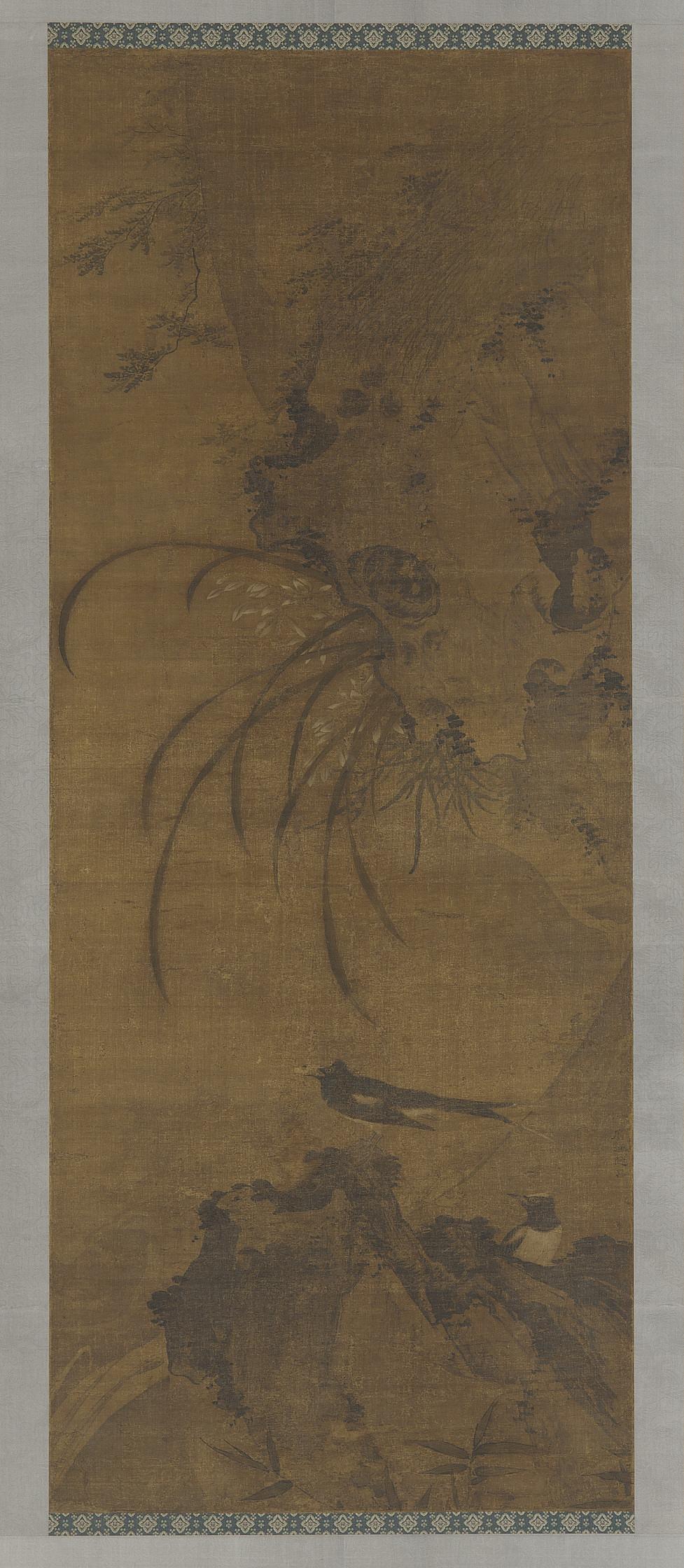
Hanging scroll (mounted on panel)
Painting
Image & source
Hanging scroll (mounted on panel)

Painting / Source record

Two magpies under an orchid cliff

Read the catalogue and evidence →
Maker
Possibly by Lü Ji (ca. 1420-ca. 1505); Formerly attributed to Zhao Chang (ca. 960-after 1015)
Date
15th century
Medium
Hanging scroll mounted on panel; ink and color on silk
Collection
National Museum of Asian Art
Accession
F1911.309
Credit
Gift of Charles Lang Freer
Rights
Public domain · CC0

Public domain · CC0. Unchanged copy of the institution’s verified web image; smaller responsive JPEGs are resized derivatives. Full-resolution image remains linked to the institution. Editorial views may show a detail.

Institution’s full-resolution image ↗Museum reuse policy ↗

Institutional rights designation checked 2026-10-21. Catalogue descriptions are normalized from source data; visual interpretation may be unassessed.

Original museum record ↗Read the CC0 dedication ↗

Path 05 / 5 works

Botanical obsessions

A stem or blossom asks for a different kind of attention in every medium. Move across five collections to compare how artists record, stylize, or abstract living plant forms.

Follow this path →
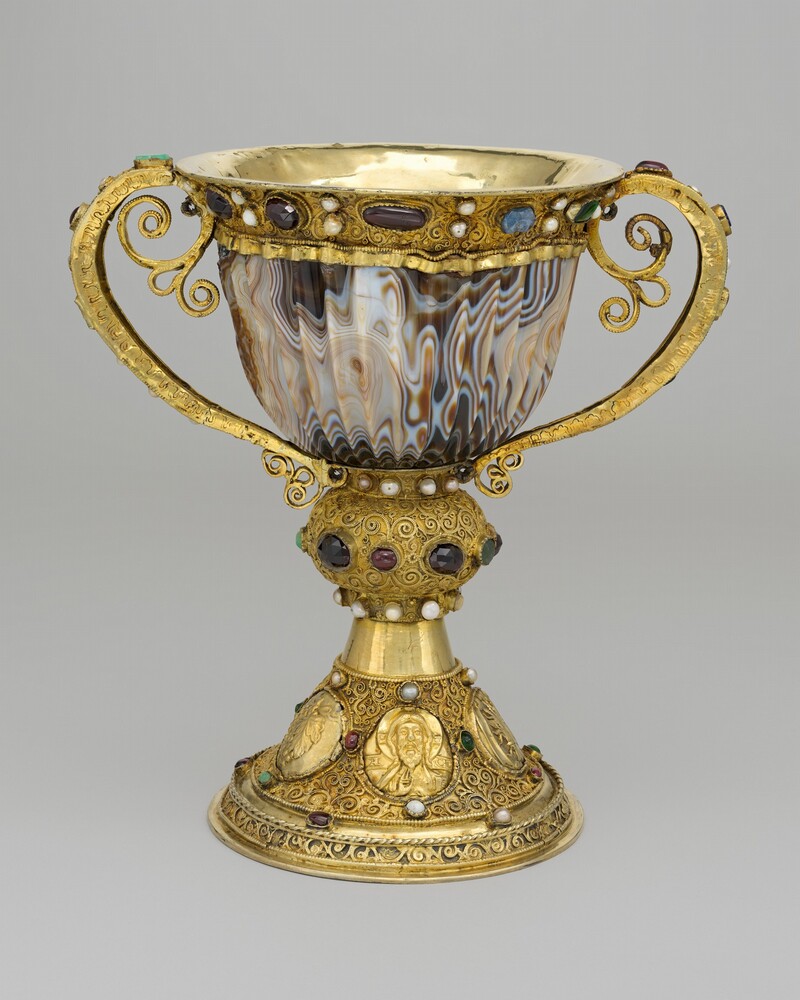
Chalice of the Abbot Suger of Saint-Denis — Decorative Art by French 12th Century (mounting); Alexandrian 2nd/1st Century B.C.(cup). sardonyx cup with heavily gilded silver mounting, adorned with filigrees set with stones, pearls, glass insets, and opaque white glass pearls.
Decorative Art
Image & source
Chalice of the Abbot Suger of Saint-Denis — Decorative Art by French 12th Century (mounting); Alexandrian 2nd/1st Century B.C.(cup). sardonyx cup with heavily gilded silver mounting, adorned with filigrees set with stones, pearls, glass insets, and opaque white glass pearls.

Decorative Art / Source record

Chalice of the Abbot Suger of Saint-Denis

Read the catalogue and evidence →
Maker
French 12th Century (mounting); Alexandrian 2nd/1st Century B.C.(cup)
Date
2nd/1st century B.C. (cup); 1137-1140 (mounting)
Medium
sardonyx cup with heavily gilded silver mounting, adorned with filigrees set with stones, pearls, glass insets, and opaque white glass pearls
Collection
National Gallery of Art
Accession
1942.9.277
Credit
Widener Collection. Courtesy National Gallery of Art, Washington
Rights
Public domain · CC0

Public domain · CC0. Unchanged copy of the institution’s verified 1000px IIIF display image; smaller responsive JPEGs are resized derivatives. Visit the institution for other available resolutions. Editorial views may show a detail.

Institution’s full-resolution image ↗Museum reuse policy ↗

Institutional rights designation checked 2026-10-21. Catalogue descriptions are normalized from source data; visual interpretation may be unassessed.

Original museum record ↗Read the CC0 dedication ↗

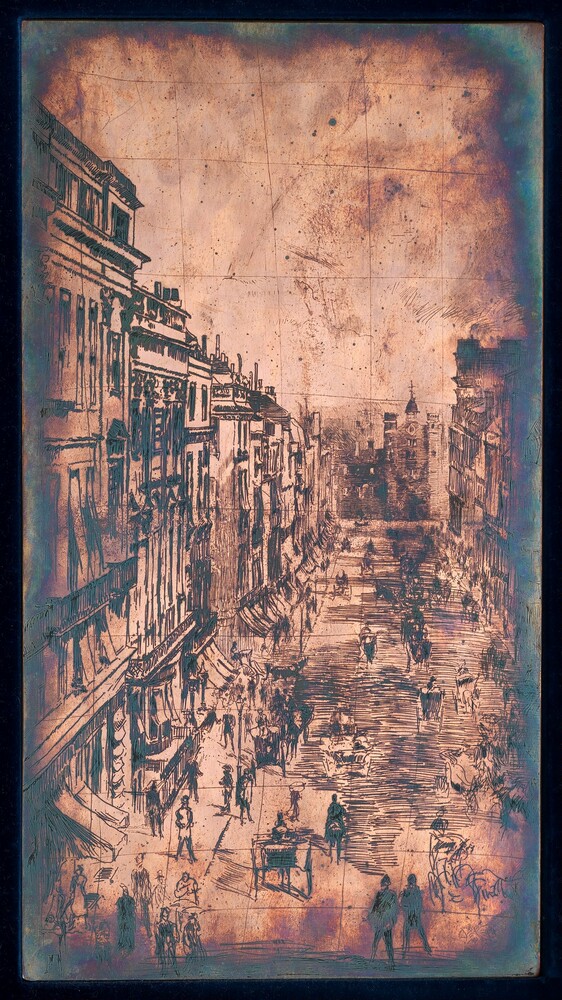
St. James's Street — Technical Material by James McNeill Whistler. etched and cancelled copper plate.
Technical Material
Image & source
St. James's Street — Technical Material by James McNeill Whistler. etched and cancelled copper plate.

Technical Material / Source record

St. James's Street

Read the catalogue and evidence →
Maker
James McNeill Whistler
Date
1878
Medium
etched and cancelled copper plate
Collection
National Gallery of Art
Accession
1943.3.1730
Credit
Rosenwald Collection. Courtesy National Gallery of Art, Washington
Rights
Public domain · CC0

Public domain · CC0. Unchanged copy of the institution’s verified 1000px IIIF display image; smaller responsive JPEGs are resized derivatives. Visit the institution for other available resolutions. Editorial views may show a detail.

Institution’s full-resolution image ↗Museum reuse policy ↗

Institutional rights designation checked 2026-10-21. Catalogue descriptions are normalized from source data; visual interpretation may be unassessed.

Original museum record ↗Read the CC0 dedication ↗

Path 06 / 5 works

Objects that lived twice

Some museum objects refuse to belong to a single moment. A Roman sardonyx cup is set into twelfth-century silver-gilt; a copper plate is scored to end its edition; a broken tile is rejoined; a woodblock is carved on its reverse. Follow five objects whose surfaces record a second life.

Follow this path →

02 / Enter an exhibition

What survives
a gesture?

A mark can record, repeat, organize or imagine. Stay with eight encounters, chosen and arranged around a question.

View exhibitions ↗

03 / Put it into practice

A rule. A different result.

How to read the collection

Every connection has a basis.

Catalogue knowledge

Object types, materials and processes are normalized from the museum record. Original wording and source links stay attached.

Visual observation

A colour, a repeated mark, a pose. These describe a selected view. A blue image does not identify a pigment; an unlisted feature may be unassessed.

Artologium reading

Remember, Resist, Belong and Invent are authored lenses. Each membership has a rationale and a boundary. They are invitations to interpretation.

This review edition uses 228 defined concepts and 4859 accepted assignments across 1,553 works. Imported catalogue tags use automated source-field normalization; the opening eight also carry editorial observations and readings. The vocabulary is local; external authority mappings have not yet been added. Observations and readings were developed with AI assistance and checked against the source records and displayed images.

Classification version 2026-10-25-atlas-roundels. An artwork page provides the definition, evidence, and a downloadable record for each assignment.
Explore with filters →