Art, in relation.
A rhythm changes its surface
Repeated shapes cross a rounded vessel, a textile and a photographic sequence.
An authored path / 6 works
How do repeated marks turn into rhythm, pattern, or time?
These comparisons follow repetition in the displayed images. Each stop keeps its own material, source and history.
Explore this description in the catalogue →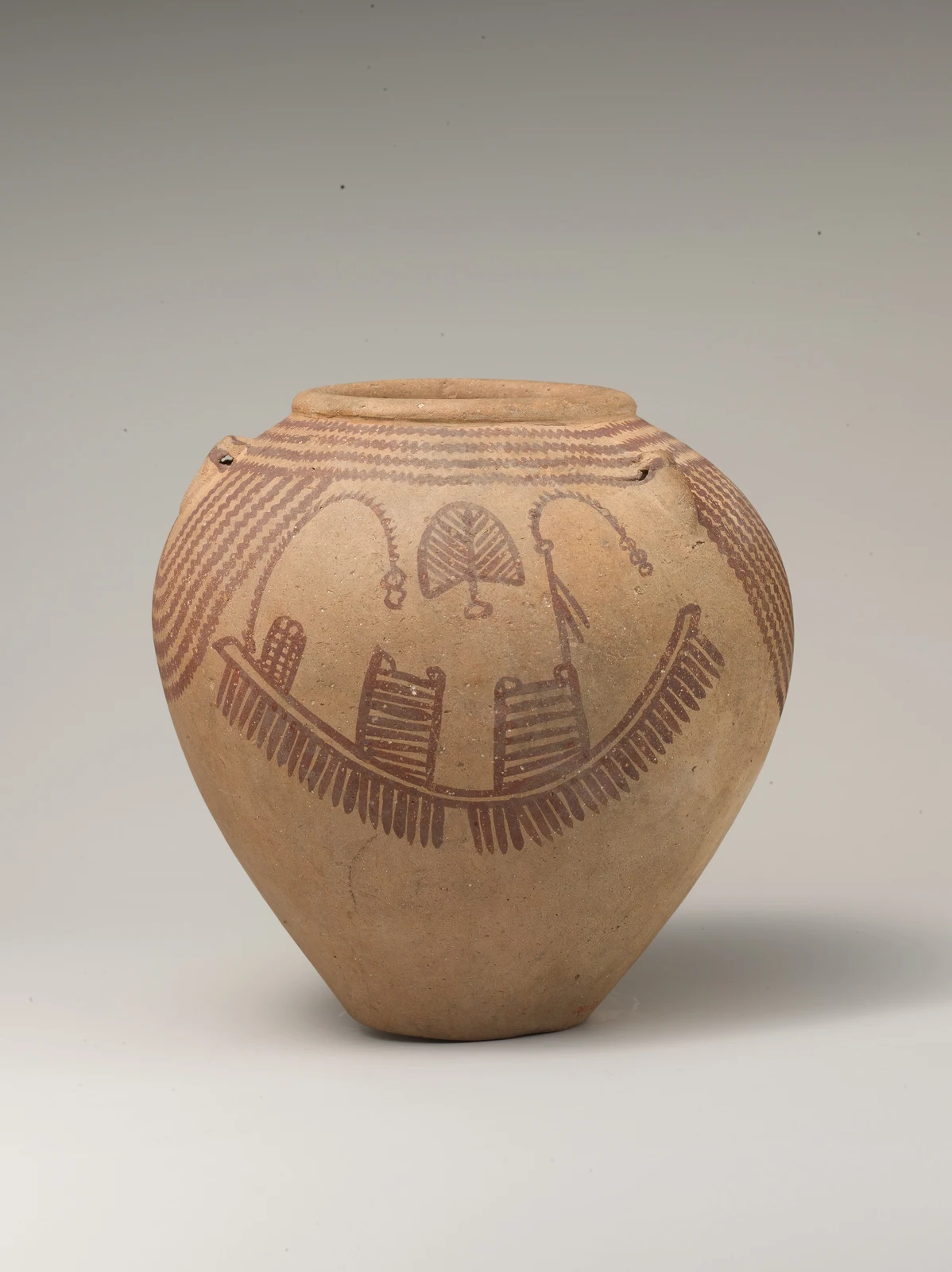
A vessel carrying boatsMaker unrecorded · ca. 3500–3300 BCEThe Metropolitan Museum of Art · CC0 01 / The Metropolitan Museum of Art / Look, then compare
A vessel carrying boats
Count the short strokes below the boat and the curved bands above it. How do they keep the surface moving?
Artologium interpretation · developed with AI assistance
Pottery, paint
Maker unrecorded · ca. 3500–3300 BCE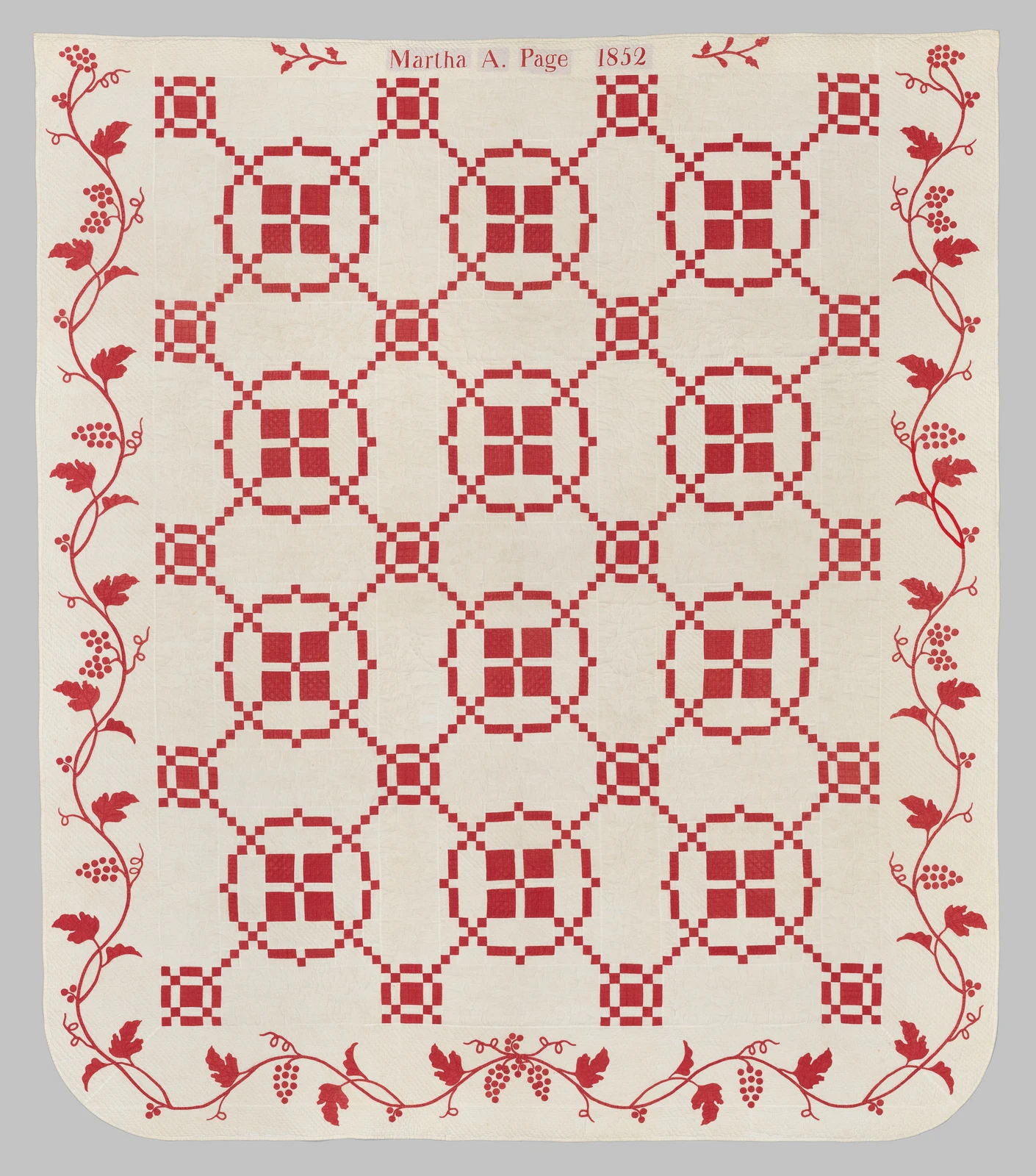
Burgoyne Surrounded quiltMartha A. Page · 1852The Metropolitan Museum of Art · CC0 02 / The Metropolitan Museum of Art / Look, then compare
Burgoyne Surrounded quilt
Pick one small red square, then watch the same unit build borders, fields, and scale across the cloth.
Artologium interpretation · developed with AI assistance
Cotton
Martha A. Page · 1852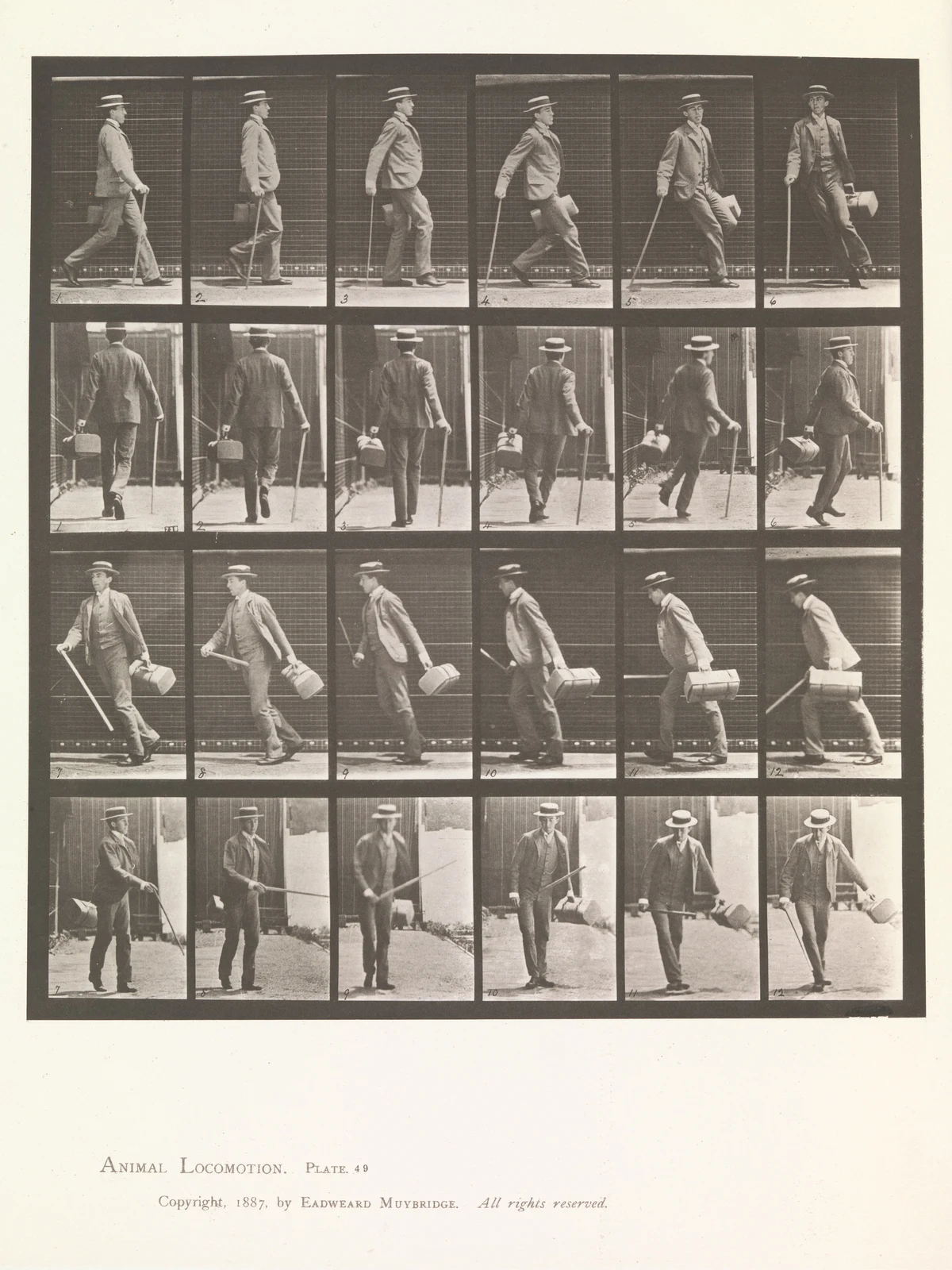
Animal Locomotion: a sequenceEadweard Muybridge · 1880sThe Metropolitan Museum of Art · CC0 03 / The Metropolitan Museum of Art / Look, then compare
Animal Locomotion: a sequence
Read a single row from left to right. Notice what stays fixed in the frame while the figure changes.
Artologium interpretation · developed with AI assistance
Photogravures
Eadweard Muybridge · 1880s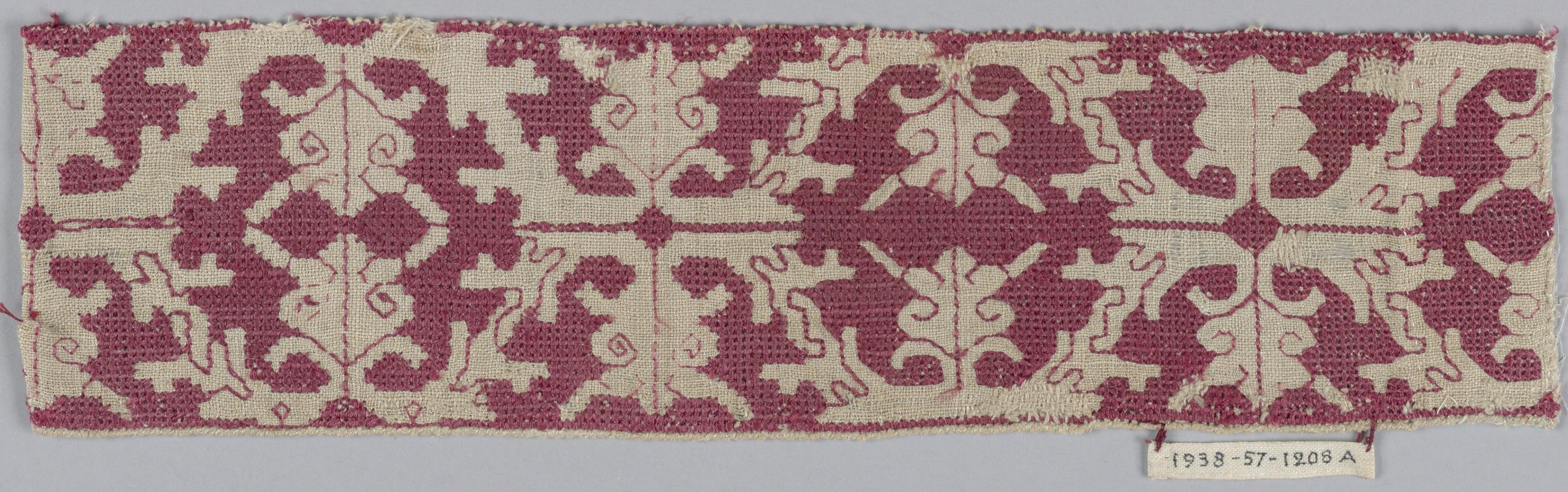
BandMaker unrecorded · 17th centuryCooper Hewitt, Smithsonian Design Museum · CC0 04 / Cooper Hewitt, Smithsonian Design Museum / Look, then compare
Band
Follow the embroidered motif along Cooper Hewitt’s linen band, where counted threads turn every stitch into a rhythmic unit.
Artologium interpretation · developed with AI assistance
Medium: silk, linen Technique: embroidered
Maker unrecorded · 17th century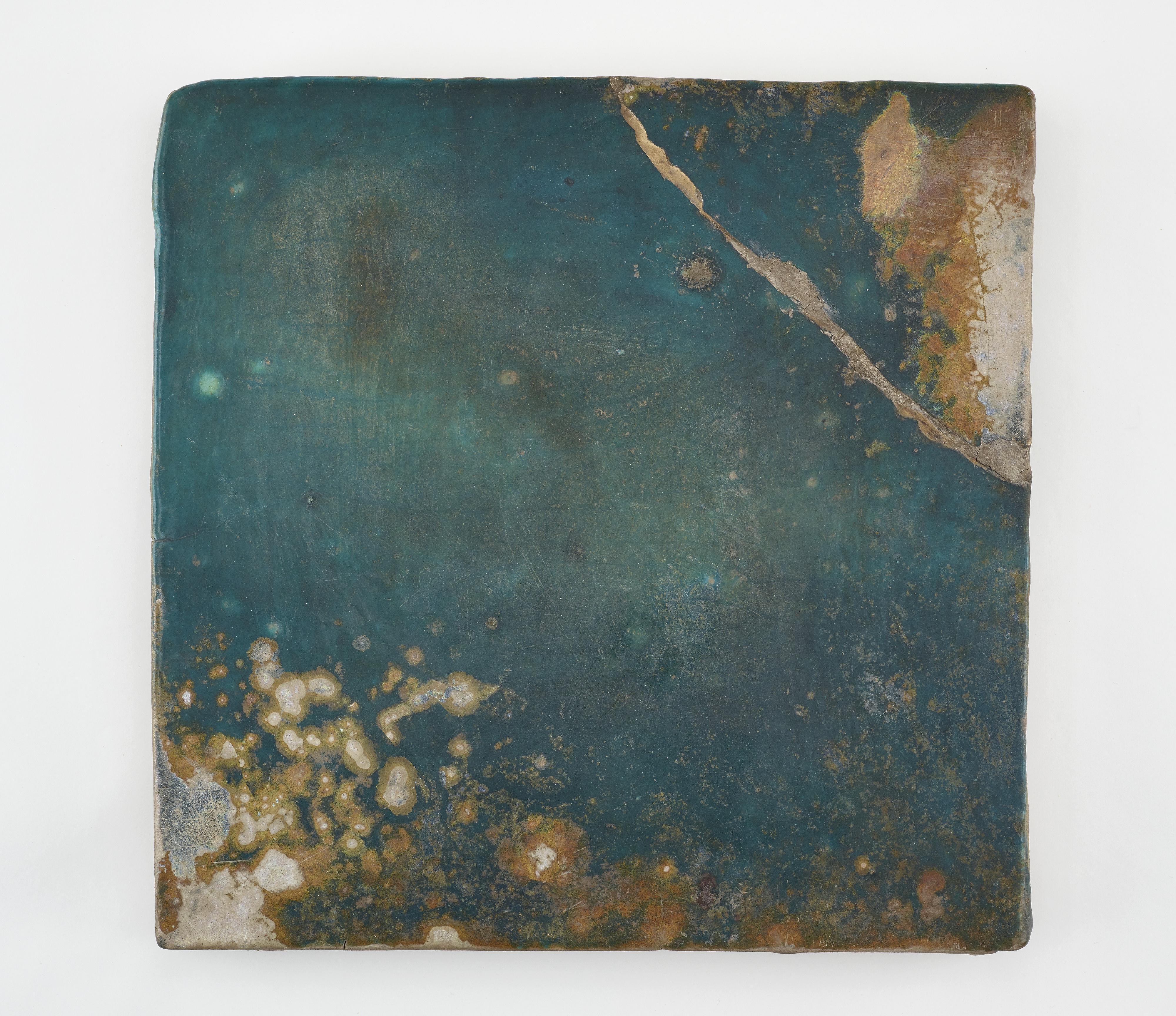
Tile, large square. Broken corner rejoinedMaker unrecorded · late 12th-early 13th centuryNational Museum of Asian Art · CC0 05 / National Museum of Asian Art / Look, then compare
Tile, large square. Broken corner rejoined
Trace the repeating border ornament across the rejoined corner of this Kashan tile at the National Museum of Asian Art.
Artologium interpretation · developed with AI assistance
Stone-paste painted underglaze
Maker unrecorded · late 12th-early 13th century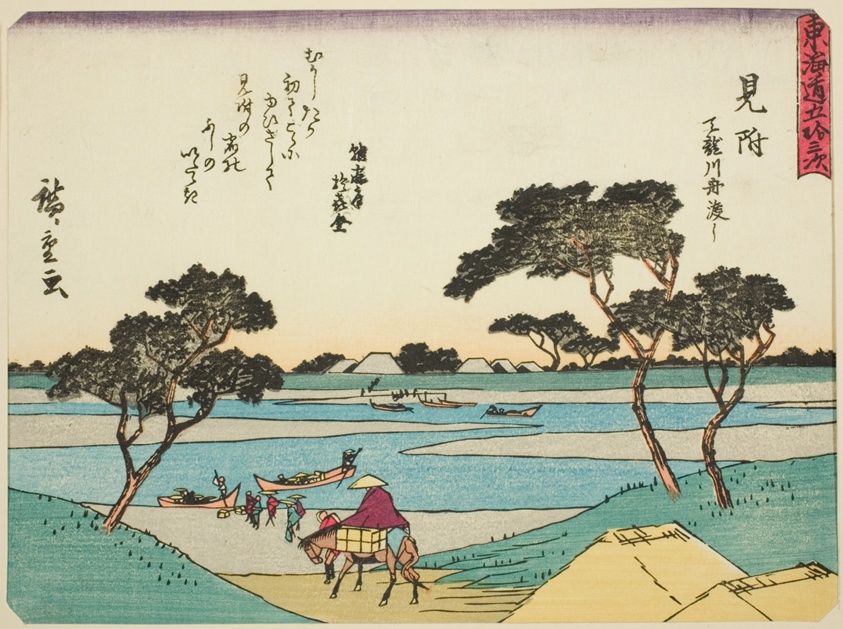
Mitsuke: Ferries Crossing the Tenryu River (Mitsuke, Tenryugawa funawatashi), from the series "Fifty-three Stations of the Tokaido (Tokaido gojusan tsugi)," also known as the Tokaido with Poem (Kyoka iri Tokaido)Utagawa Hiroshige 歌川 広重 Japanese, 1797-1858 · c. 1837/42The Art Institute of Chicago · CC0 06 / The Art Institute of Chicago / Look, then compare
Mitsuke: Ferries Crossing the Tenryu River (Mitsuke, Tenryugawa funawatashi), from the series "Fifty-three Stations of the Tokaido (Tokaido gojusan tsugi)," also known as the Tokaido with Poem (Kyoka iri Tokaido)
Notice how repeated poles, boats, and sandbars measure the distance across the misty river in Chicago’s Hiroshige print.
Artologium interpretation · developed with AI assistance
Color woodblock print; chuban
Utagawa Hiroshige 歌川 広重 Japanese, 1797-1858 · c. 1837/42
Where would you go next?
Keep this description and choose another way into the collection.
Continue exploring →Choose another path →