Photograph / Print
Animal Locomotion: a sequence
Explore the full image, museum catalogue record and an original close reading.
Twelve exposures / one action
A photograph begins to move.
Frame 1 of 12, view 1, paused.
Eadweard Muybridge · 1880s · The Metropolitan Museum of Art · CC0. Original museum record ↗. These are crops from the source photograph. Playback uses an editorial interval of 240 ms, not the original exposure timing. Reduced motion: use the frame controls to step through the sequence.
An original close reading
Where does one gesture end?
A sequence lets the eye travel between separated moments. Each frame is still, yet the intervals invite a reader to reconstruct a movement.
These frames also reveal the conditions of observation: a fixed viewpoint, a measured background and a selected action. The sequence is a record shaped by a method.
Catalogue facts are supplied by The Met. The reading above is an Artologium interpretation, not a statement of the maker’s intent.
Find this work in the exhibition →A record, with reasons
Ways into this work
Open a description to see its meaning and evidence, or follow it into the collection.
Catalogue knowledge
Normalized from the museum’s record.
PhotographObject type
An image made through a photographic process.
A museum photograph of an object is a separate asset.
Normalized from the linked museum record; the original catalogue wording is retained.
Animal Locomotion. An Electro-Photographic Investigation... of Animal Movements. Commenced 1872 - Completed 1885. Volume VII, Men and Woman (Draped) Miscellaneous Subjects · Photogravures
The Metropolitan Museum of Art
Reviewed 2026-10-16 · 2026-10-16.1
PrintObject type
An image produced through a printing process.
The depicted subject does not determine the object type.
Normalized from the linked museum record; the original catalogue wording is retained.
Animal Locomotion. An Electro-Photographic Investigation... of Animal Movements. Commenced 1872 - Completed 1885. Volume VII, Men and Woman (Draped) Miscellaneous Subjects · Photogravures
The Metropolitan Museum of Art
Reviewed 2026-10-16 · 2026-10-16.1
PhotogravureTechnique
Photogravure identified in the source medium.
Do not infer a process solely from visual resemblance.
Normalized from the linked museum record; the original catalogue wording is retained.
Photogravures
The Metropolitan Museum of Art
Reviewed 2026-10-16 · 2026-10-16.1
Visual observation
Observations of the displayed image.
Human figureSubject
One or more represented human figures.
Subject identification does not establish symbolic meaning or historical influence.
The full sheet arranges successive photographic views of a human figure in rows. Sequence does not establish original exposure timing.
Artologium editorial study · developed with AI assistance
Reviewed 2026-10-16 · 2026-10-16.1
GridComposition
A visibly organized field of intersecting rows or repeated cells.
This observation belongs to the selected image; it does not establish the maker's intention.
The full sheet arranges successive photographic views of a human figure in rows. Sequence does not establish original exposure timing.
Artologium editorial study · developed with AI assistance
Reviewed 2026-10-16 · 2026-10-16.1
SequenceComposition
Multiple images arranged as successive views or moments.
This observation belongs to the selected image; it does not establish the maker's intention.
The full sheet arranges successive photographic views of a human figure in rows. Sequence does not establish original exposure timing.
Artologium editorial study · developed with AI assistance
Reviewed 2026-10-16 · 2026-10-16.1
RepetitionComposition
A visible recurrence of marks, units, or forms within the image.
This observation belongs to the selected image; it does not establish the maker's intention.
The full sheet arranges successive photographic views of a human figure in rows. Sequence does not establish original exposure timing.
Artologium editorial study · developed with AI assistance
Reviewed 2026-10-16 · 2026-10-16.1
Artologium reading
Authored connections, open to interpretation.
ResistCuratorial reading
Encounters with force, constraint, opposition, or refusal.
Formal tension is distinct from documented political resistance.
The arranged frames invite a question about what bodily motion exceeds any one still image.
Artologium editorial study · developed with AI assistance
Reviewed 2026-10-16 · 2026-10-16.1
InventCuratorial reading
Constructed worlds, experiments, and methods of making something visible.
This reading does not claim historical priority or technological invention.
The photographic sequence organizes separate views into a method of looking at motion.
Artologium editorial study · developed with AI assistance
Reviewed 2026-10-16 · 2026-10-16.1
These descriptions belong to this object and its selected image. Unlisted features may be unassessed. Editorial observations and readings were developed with AI assistance; they do not establish the maker’s intent.
Keep something. Change the setting.
Follow a connection
A shared description opens a comparison. It does not establish historical influence.
Stay with this work
Let a detail lead you somewhere.
Notice what repeats ↗
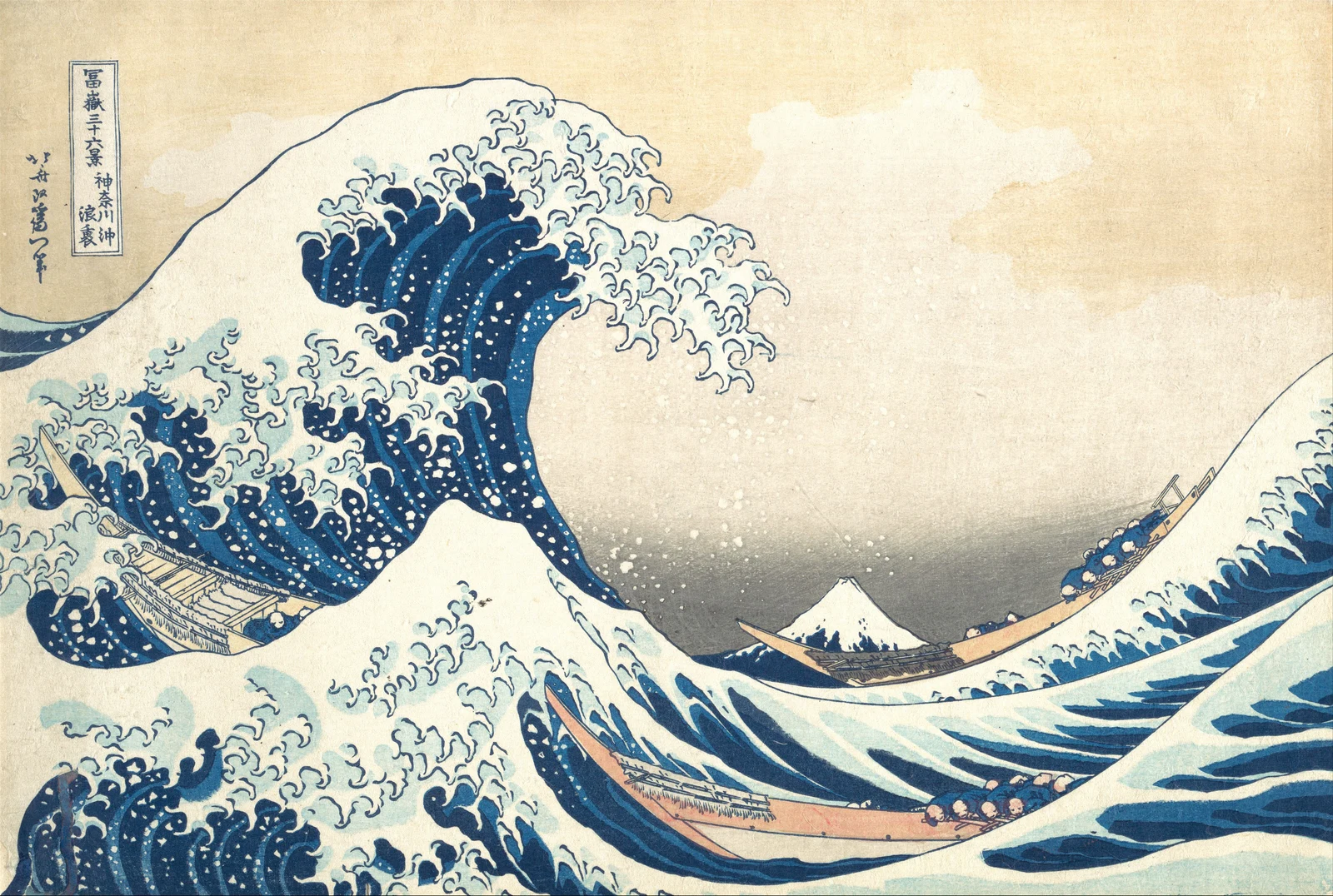
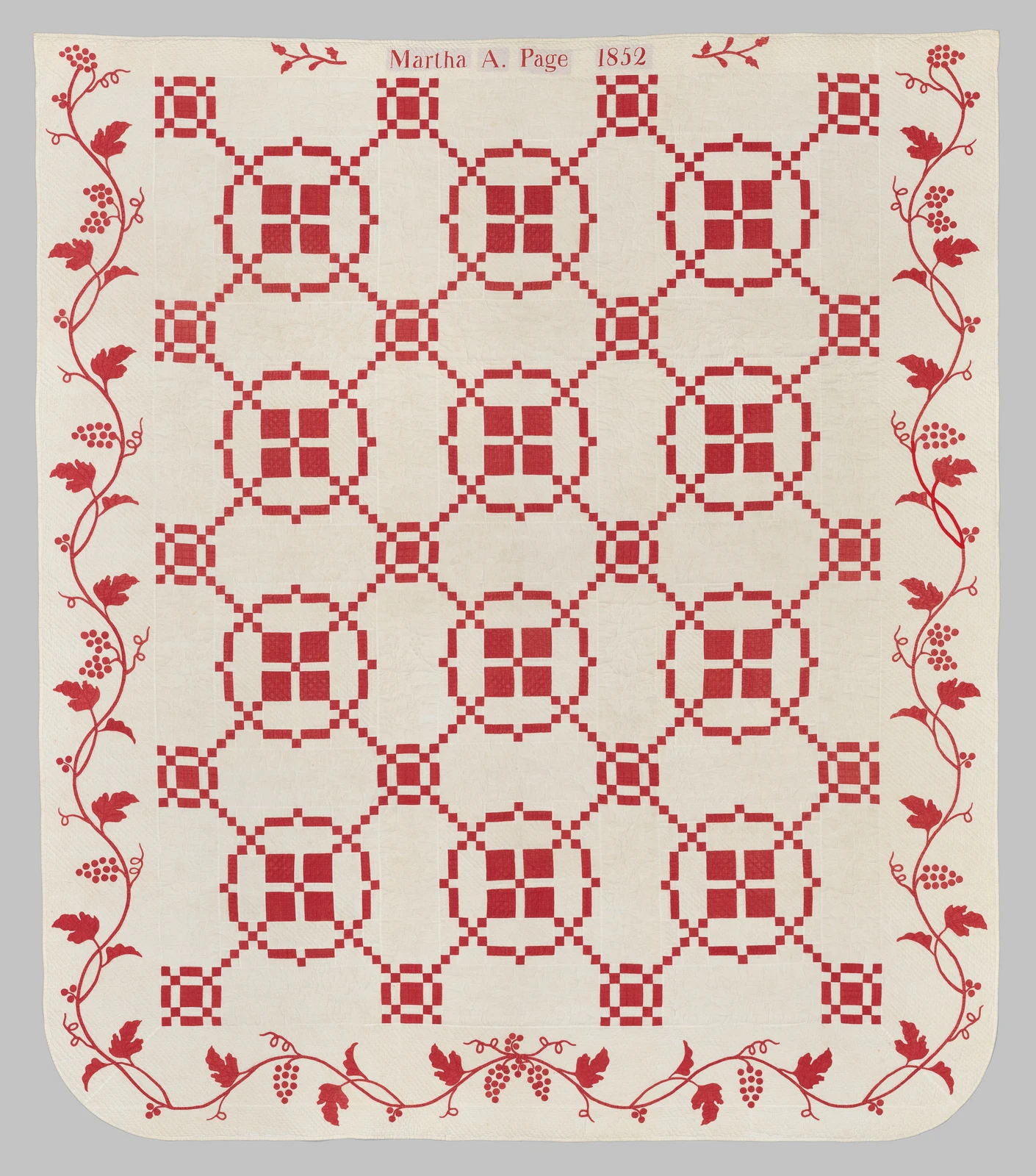
Repetition can circle a ceramic vessel, structure a patchwork quilt, break motion into frames, or continue across the mended crack of a lustre tile. Compare how six objects across four collections use recurrence.
Keep one thing. Change another. ↗
Choose a shared description and inspect the differences the catalogue can support.