Drawing
Édouard Manet, seated
Explore the full image, museum catalogue record and an original close reading.
Follow the maker / Across collections & investigations
Edgar Degas across 3 collections
Each museum’s exact creator wording is preserved on its record. Reconciled maker links group works attributed directly to Edgar Degas while keeping workshop, studio, or “after” attributions distinct.
- Ballet at the Paris OpéraThe Art Institute of Chicago · 1877 · 1981.12 · Compare side by side →
- Conversation: Ludovic Halévy and Madame Cardinal (The Conversation) for "La Famille Cardinal" by Ludovic HalévyThe Cleveland Museum of Art · c. 1880–83 · 1967.167 · Compare side by side →
- JockeyThe Art Institute of Chicago · 1866–68 · 1922.5518 · Compare side by side →
- Frieze of DancersThe Cleveland Museum of Art · c. 1895 · 1946.83 · Compare side by side →
An original close reading
When is a line finished?
Some edges are firm, others searching. The seated figure emerges from differences in pressure and density as much as from an unbroken outline.
Compare the contour of the coat with the areas where marks gather. Drawing can preserve decisions that a more closed surface conceals.
Catalogue facts are supplied by The Met. The reading above is an Artologium interpretation, not a statement of the maker’s intent.
Find this work in the exhibition →A record, with reasons
Ways into this work
Open a description to see its meaning and evidence, or follow it into the collection.
Catalogue knowledge
Normalized from the museum’s record.
DrawingObject type
A work described as a drawing in the source record.
A visible line alone does not make an object a drawing.
Normalized from the linked museum record; the original catalogue wording is retained.
Édouard Manet, Seated, Holding His Hat · Graphite and black chalk
The Metropolitan Museum of Art
Reviewed 2026-10-16 · 2026-10-16.1
GraphiteMaterial
Graphite recorded in the object's medium.
A depicted material or colour resemblance is a separate assertion.
Normalized from the linked museum record; the original catalogue wording is retained.
Graphite and black chalk
The Metropolitan Museum of Art
Reviewed 2026-10-16 · 2026-10-16.1
ChalkMaterial
Chalk recorded in the object's medium.
A depicted material or colour resemblance is a separate assertion.
Normalized from the linked museum record; the original catalogue wording is retained.
Graphite and black chalk
The Metropolitan Museum of Art
Reviewed 2026-10-16 · 2026-10-16.1
Visual observation
Observations of the displayed image.
Human figureSubject
One or more represented human figures.
Subject identification does not establish symbolic meaning or historical influence.
The seated figure holds a hat; light, overlapping lines describe the pose against an open ground.
Artologium editorial study · developed with AI assistance
Reviewed 2026-10-16 · 2026-10-16.1
HatSubject
A hat represented in the image.
Subject identification does not establish symbolic meaning or historical influence.
The seated figure holds a hat; light, overlapping lines describe the pose against an open ground.
Artologium editorial study · developed with AI assistance
Reviewed 2026-10-16 · 2026-10-16.1
Following a lineComposition
A line or edge that can be followed through the selected image.
This observation belongs to the selected image; it does not establish the maker's intention.
The seated figure holds a hat; light, overlapping lines describe the pose against an open ground.
Artologium editorial study · developed with AI assistance
Reviewed 2026-10-16 · 2026-10-16.1
Negative spaceComposition
Open or unmarked areas participate in the composition.
This observation belongs to the selected image; it does not establish the maker's intention.
The seated figure holds a hat; light, overlapping lines describe the pose against an open ground.
Artologium editorial study · developed with AI assistance
Reviewed 2026-10-16 · 2026-10-16.1
Seated poseGesture
A figure is shown in a seated position.
The pose does not establish a psychological state.
The seated figure holds a hat; light, overlapping lines describe the pose against an open ground.
Artologium editorial study · developed with AI assistance
Reviewed 2026-10-16 · 2026-10-16.1
Holding a hatGesture
A represented person holds a hat.
A visible action does not establish its social meaning.
The seated figure holds a hat; light, overlapping lines describe the pose against an open ground.
Artologium editorial study · developed with AI assistance
Reviewed 2026-10-16 · 2026-10-16.1
Drapery and foldsComposition
Visible folds, pleats, or draped cloth forms that structure the image.
This observation belongs to the selected image; it does not establish the maker's intention.
Visual observation of the folds in the selected drawing.
Visual observation by Artologium on the selected image asset.
Reviewed 2026-10-24 · 2026-10-20.1
Artologium reading
Authored connections, open to interpretation.
RememberCuratorial reading
Recording, remembrance, repetition as memory, and surviving traces.
Age alone is insufficient; the reading must explain what is recorded or remembered.
Repeated searching lines retain an encounter with a seated figure.
Artologium editorial study · developed with AI assistance
Reviewed 2026-10-16 · 2026-10-16.1
ResistCuratorial reading
Encounters with force, constraint, opposition, or refusal.
Formal tension is distinct from documented political resistance.
The unfinished-looking edges can be read as resisting a single closed contour; this is an interpretation.
Artologium editorial study · developed with AI assistance
Reviewed 2026-10-16 · 2026-10-16.1
These descriptions belong to this object and its selected image. Unlisted features may be unassessed. Editorial observations and readings were developed with AI assistance; they do not establish the maker’s intent.
Keep something. Change the setting.
Follow a connection
A shared description opens a comparison. It does not establish historical influence.
Stay with this work
Let a detail lead you somewhere.
Follow a line ↗
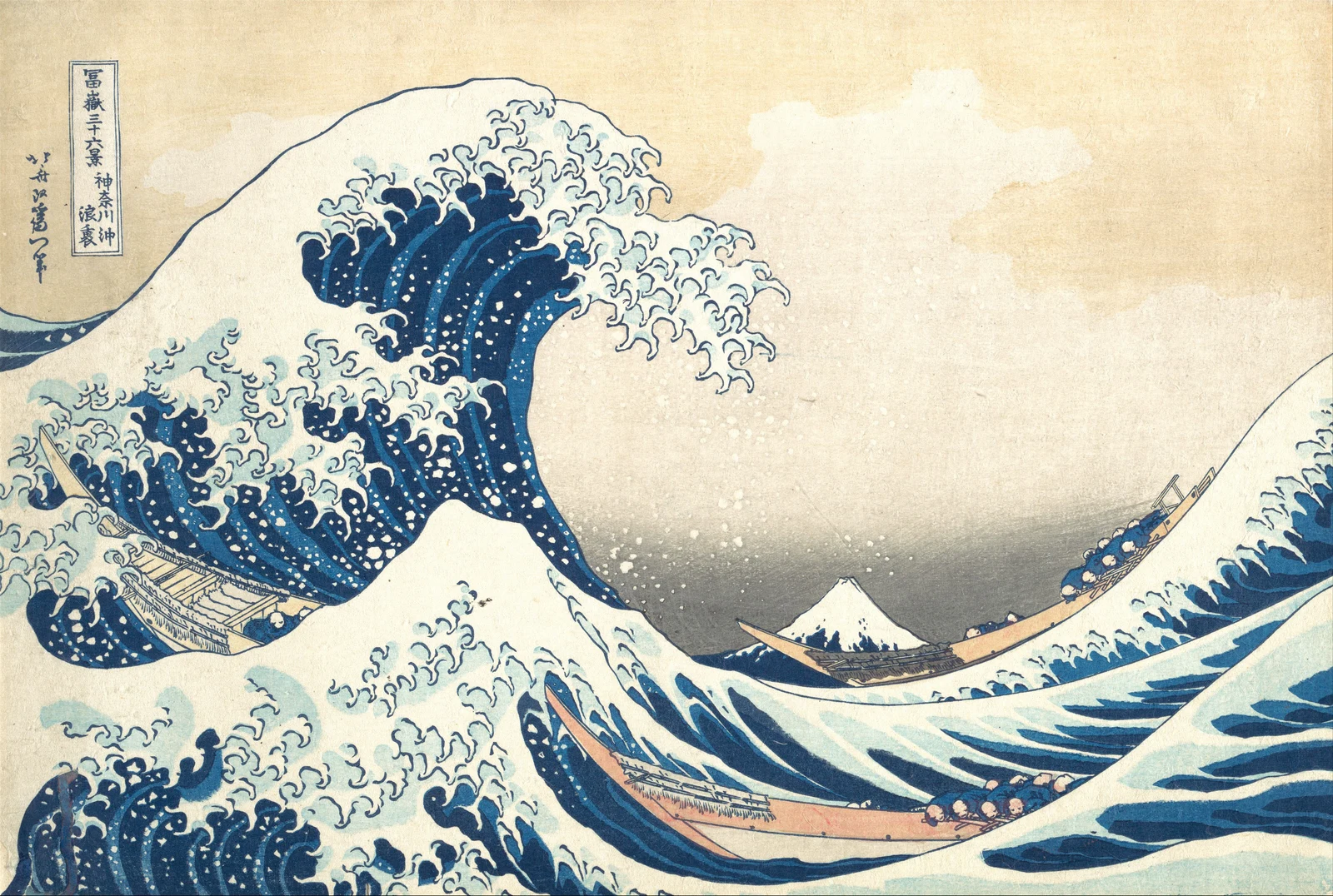
A line can be carved into a woodblock, incised into copper, drawn in black chalk, or ruled in graphite for a cabinetmaker. These six works across four museums ask your eye to move along a mark before asking what it represents.
Follow the fold ↗
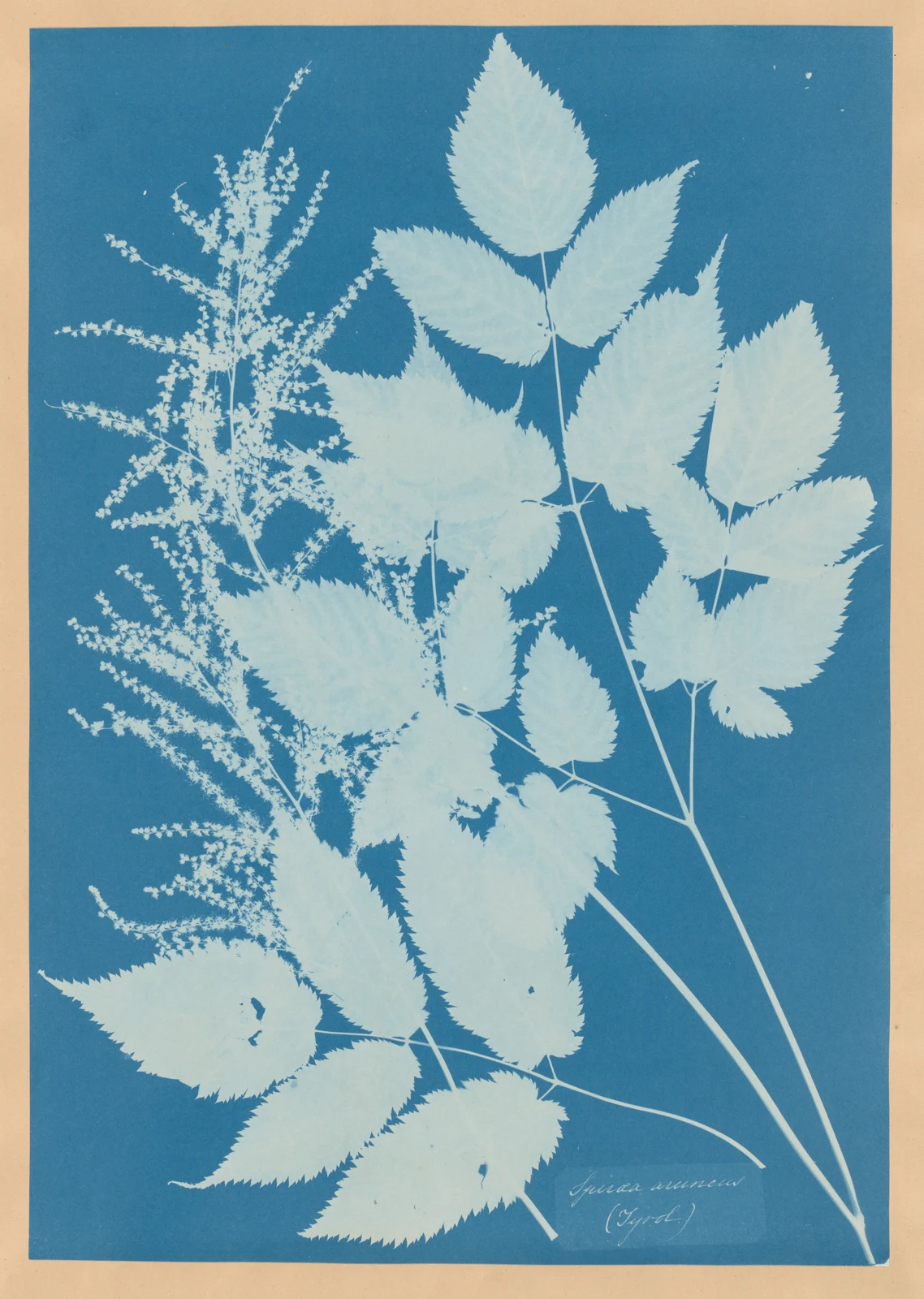
Drapery is where gravity becomes visible. Across alabaster, plaster, engraved copper, and red chalk, follow how five works in five museums use folds to conceal, anchor, or animate a body.
Keep one thing. Change another. ↗
Choose a shared description and inspect the differences the catalogue can support.