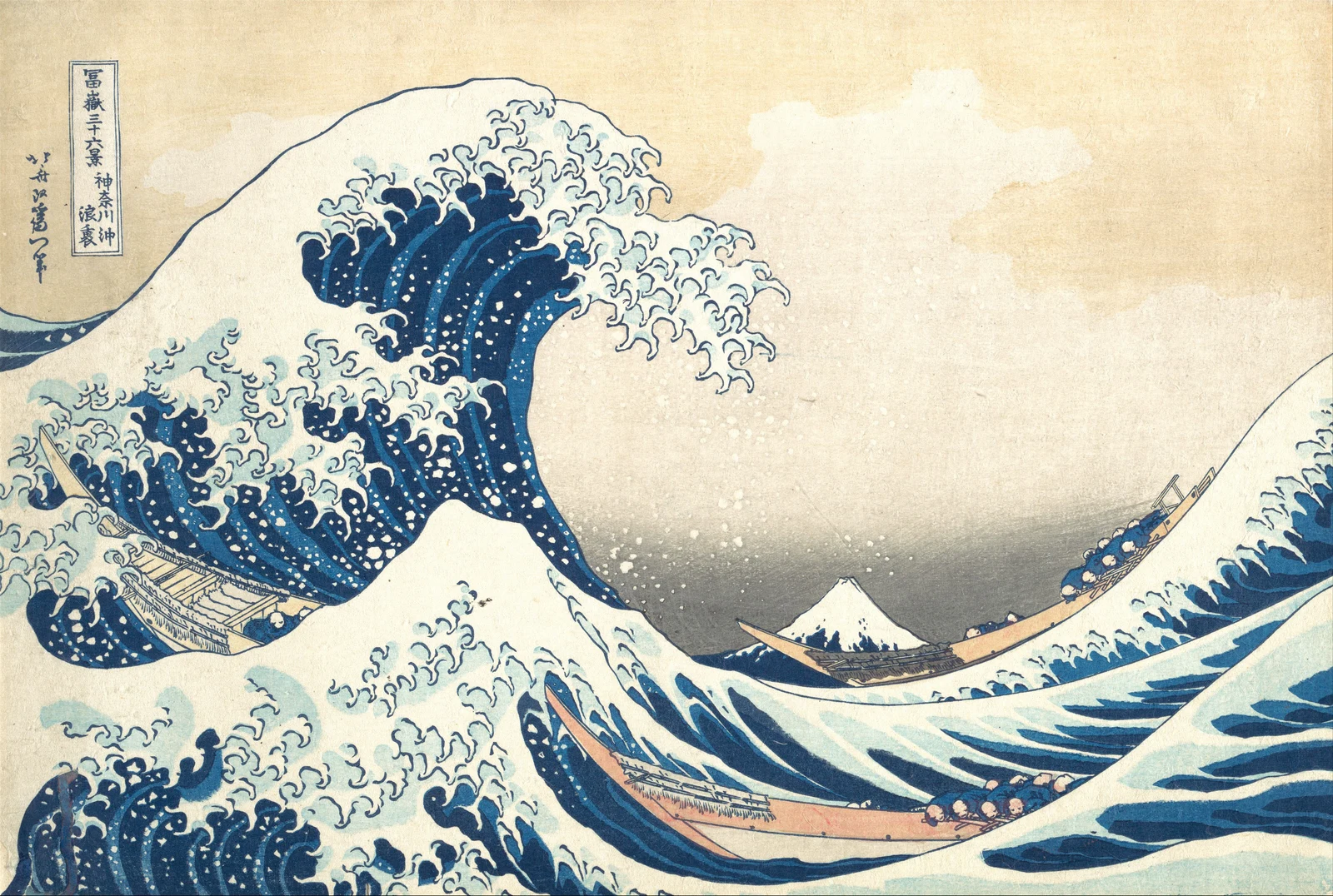
Print / Japan
Can a line hold a moment?
Follow the repeated hooks of foam. The wave is made legible through a rhythm of smaller marks, while the distant mountain offers a quieter, more stable triangle.
Look closer →Art, in relation.
What survives us—and what keeps changing? Eight encounters with marks, materials and memory.
A mark can be an image, a pattern, a record, a tool. It can remain after the hand that made it has gone, while its setting and meaning keep changing.
This exhibition puts eight works in relation. The pairings are invitations to look across materials and purposes. They are not claims of a single lineage or an exhaustive history of art.
Print / Japan
Follow the repeated hooks of foam. The wave is made legible through a rhythm of smaller marks, while the distant mountain offers a quieter, more stable triangle.
Look closer →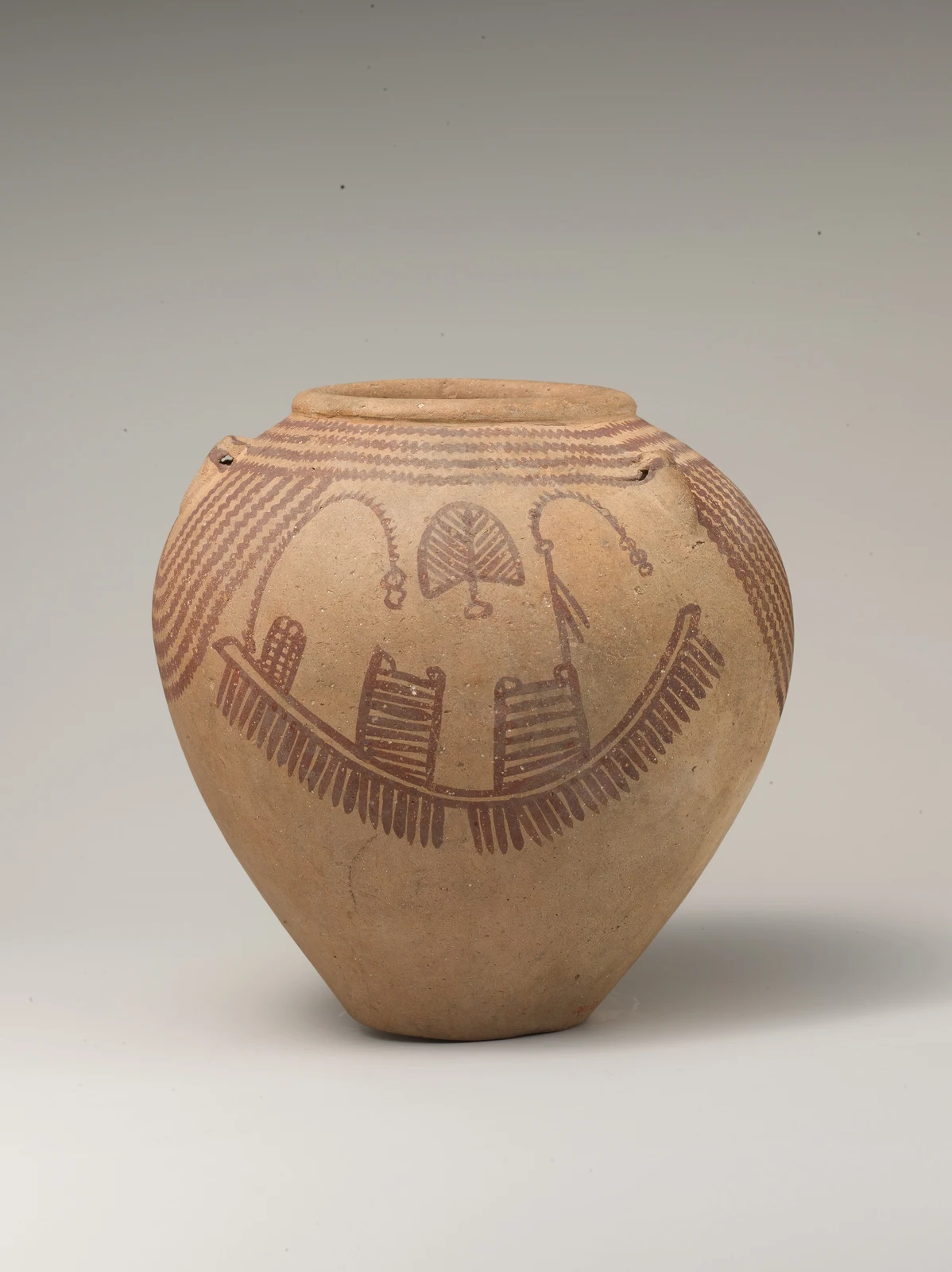
Clay / Egypt
The boats belong to a curved surface. A single photograph offers one view, while the vessel asks a viewer to imagine turning it and finding the image continuing.
Look closer →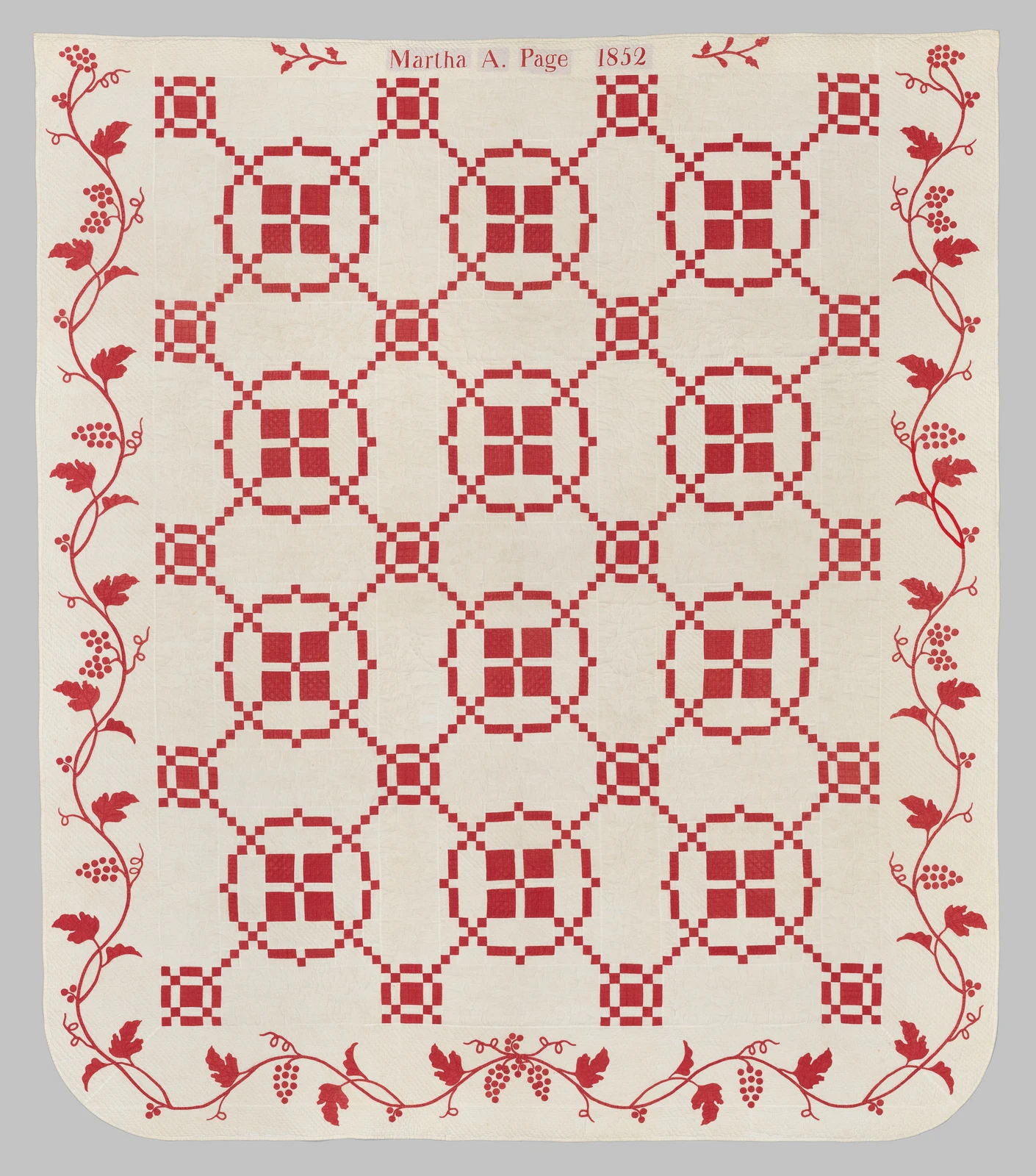
Textile / United States
Small units join into larger squares, then into a field. The border holds the repeated pattern in place, giving the eye somewhere to return.
Look closer →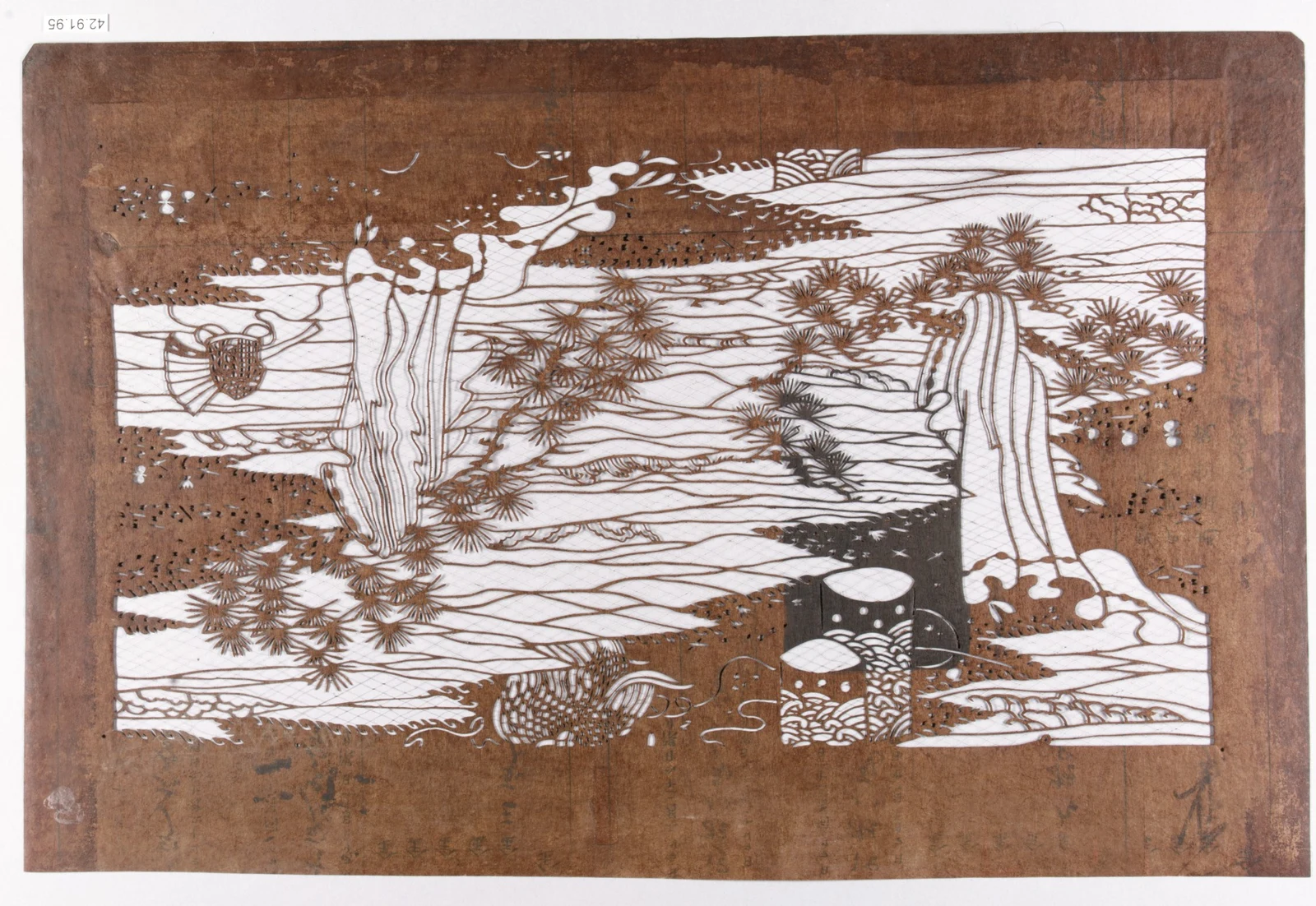
Pattern / Japan
The cut spaces matter as much as the remaining paper. What we see here is also a means of transferring a design onto another surface.
Look closer →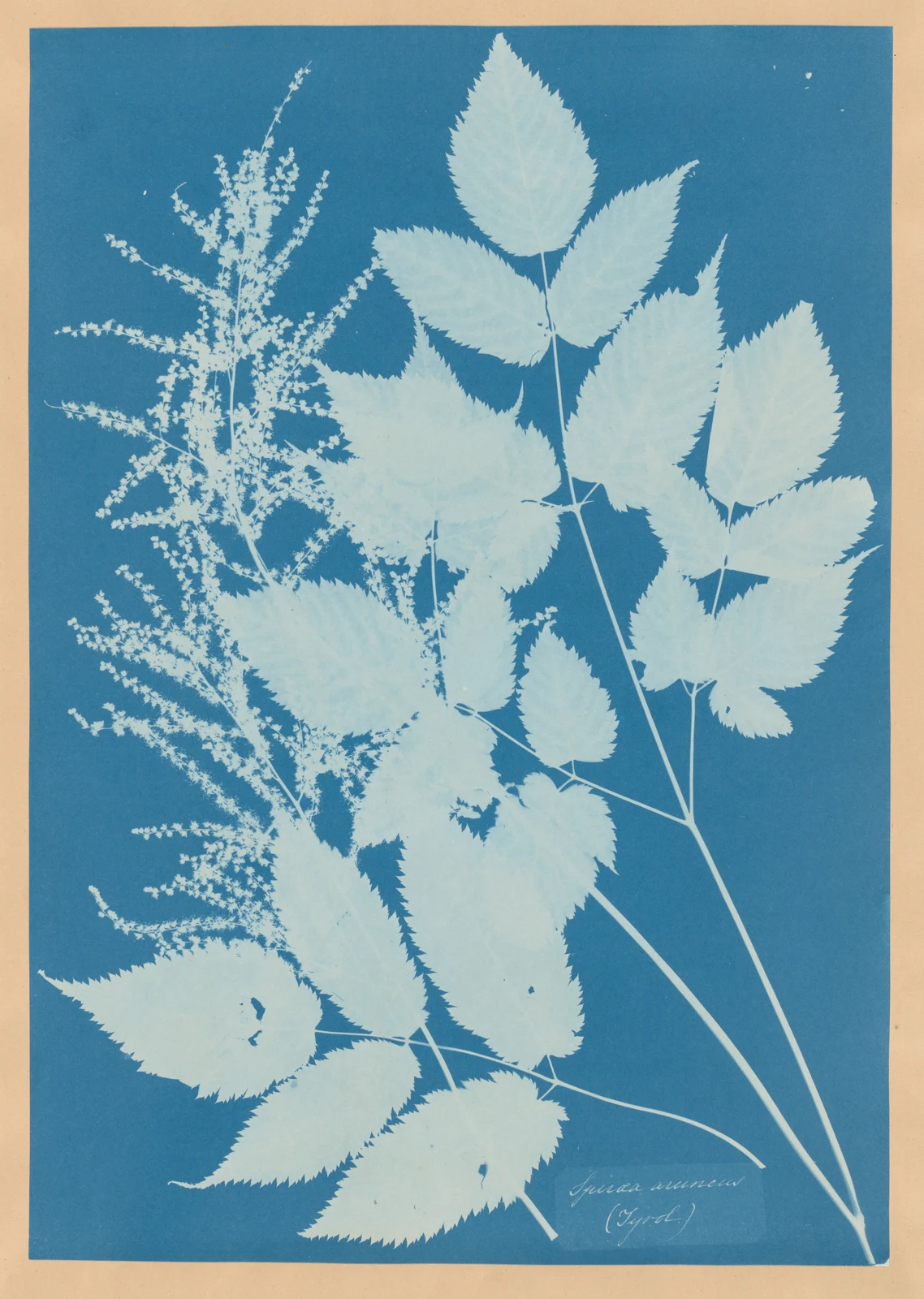
Photography / Britain
The branching silhouette keeps a plant's outline while transforming its surface into a pale presence against blue. Fine divisions slow the eye down.
Look closer →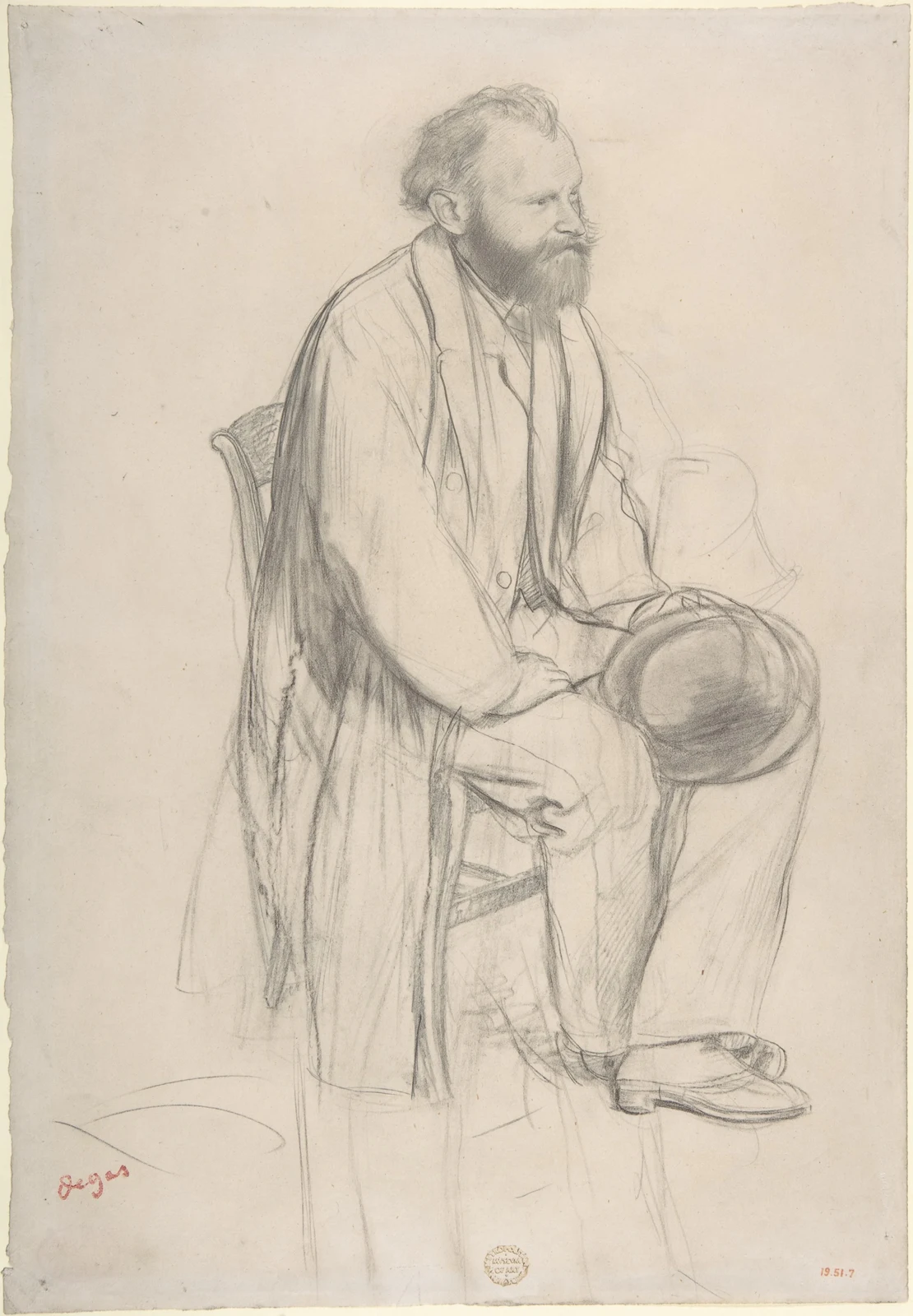
Drawing / France
Some edges are firm, others searching. The seated figure emerges from differences in pressure and density as much as from an unbroken outline.
Look closer →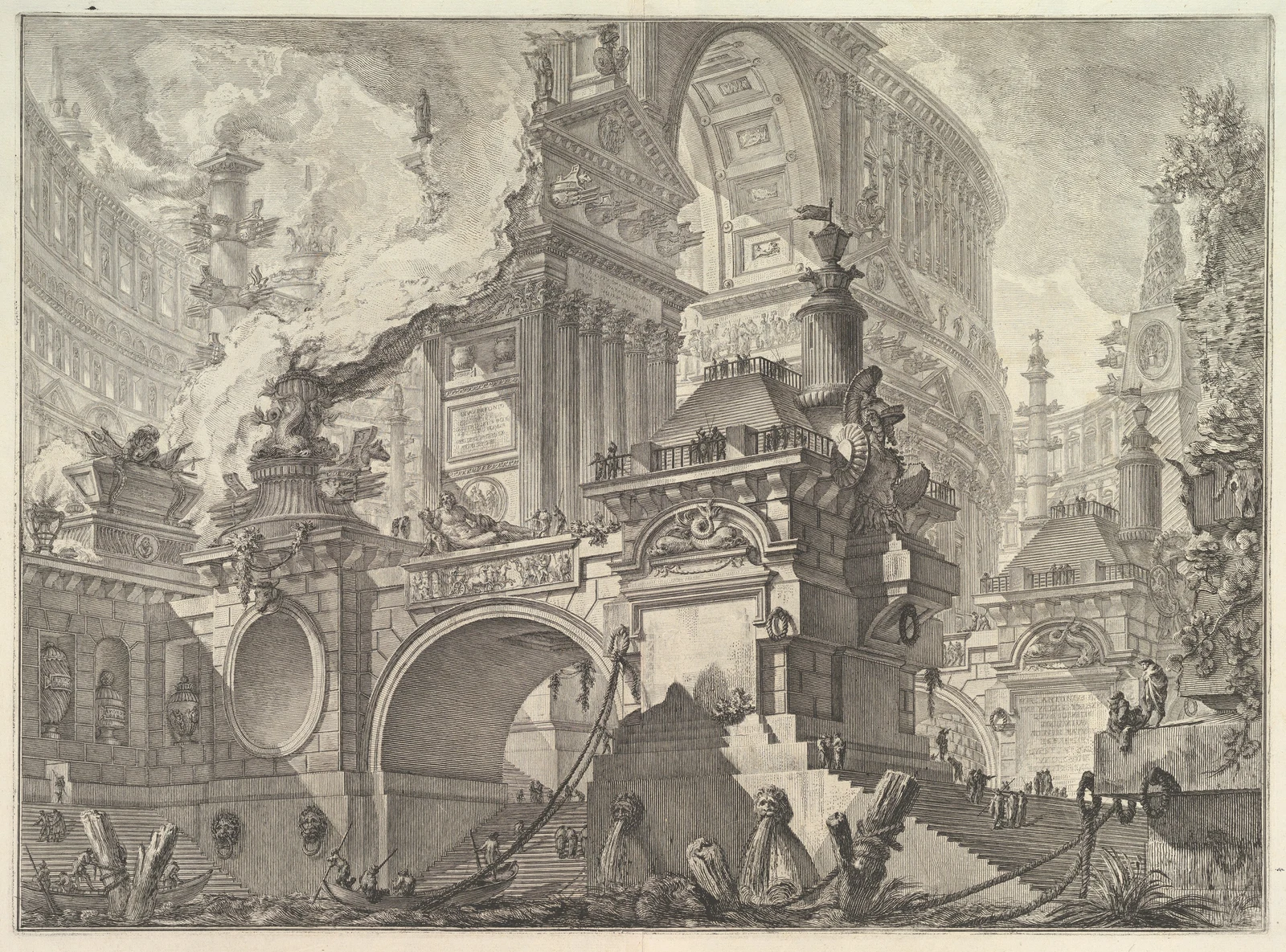
Architecture / Italy
Architecture repeats into depth. The eye moves through successive frames, as if the image were a space to enter rather than a surface to face.
Look closer →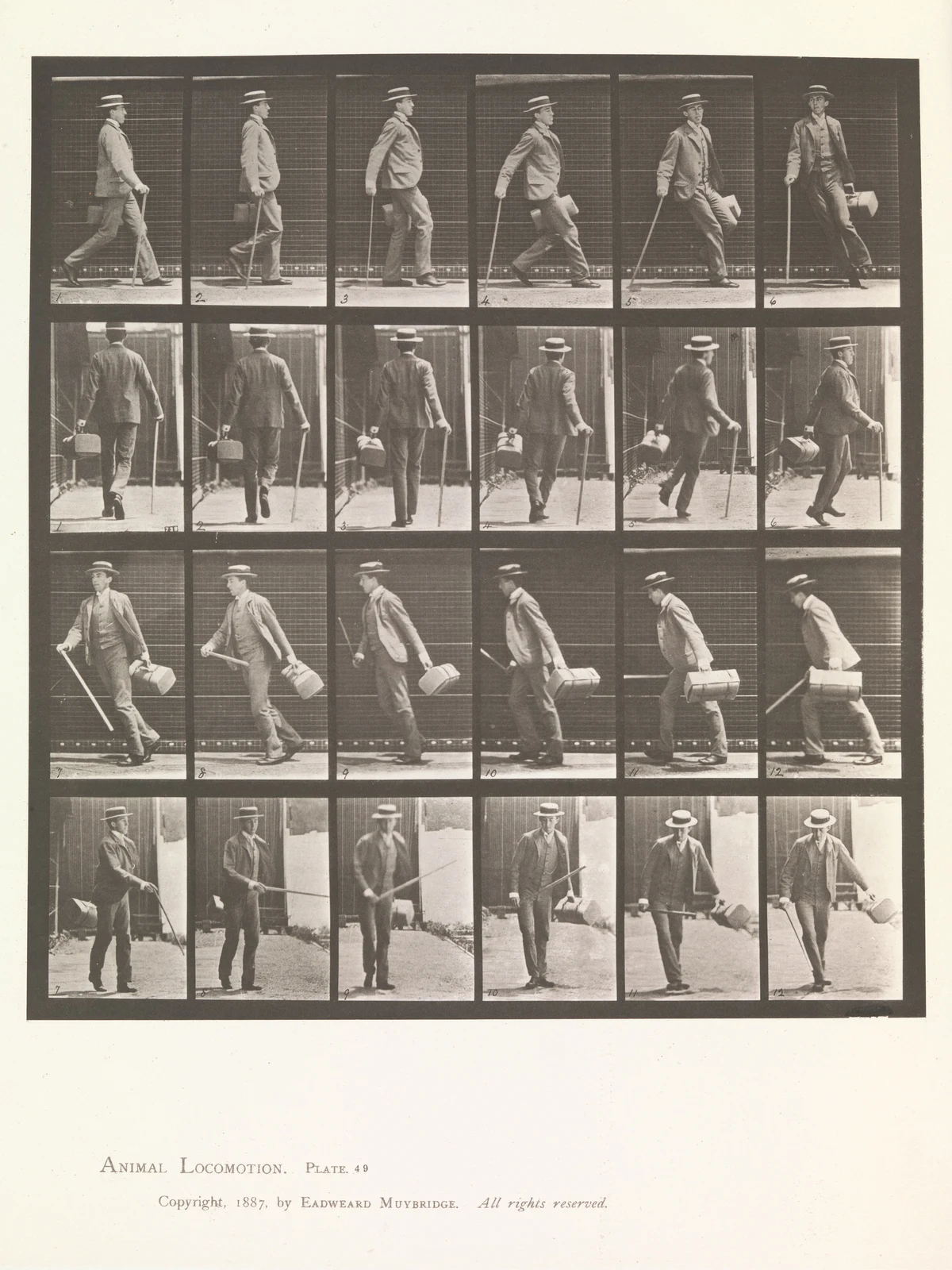
Movement / United States
A sequence lets the eye travel between separated moments. Each frame is still, yet the intervals invite a reader to reconstruct a movement.
Look closer →Choose two works. Follow a shape, an interval or a repeated mark. Name what the comparison helps you see—and where the resemblance stops.
Open your collection →