Begin with one connection
A small gesture, carried forward
What can a photograph carry from one painter to another?
Follow this investigation →An Artologium lab / 18 investigations
A work is made.
Its life continues.
Follow what changed, find what carried it, inspect how we know. Works, materials, people and ideas move through these researched passages.
Explore all 18 investigations ↓Begin with one connection
What can a photograph carry from one painter to another?
Follow this investigation →A copied figure. A pigment in a publisher’s hands. A workshop’s way of making together. Choose a passage into the public life of images.
Editorially revised with AI assistance; independent specialist review pending. Connections retain their qualifications, and visual comparisons make no claim of historical contact.
18 investigations
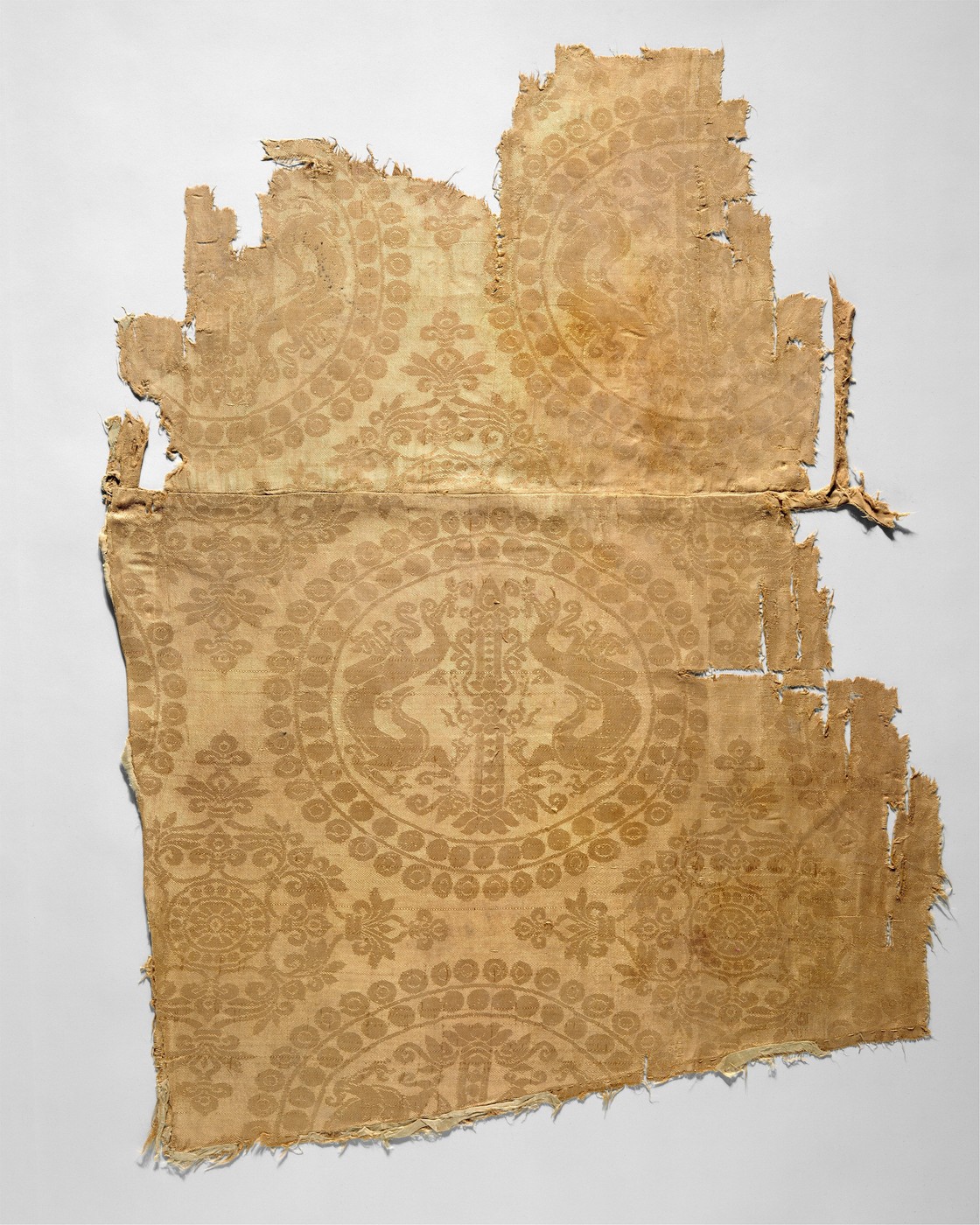
Connection study / New investigation
Can an ornament remember a journey its object record cannot?
Iran · China or Central Asia
Late 8th–9th century
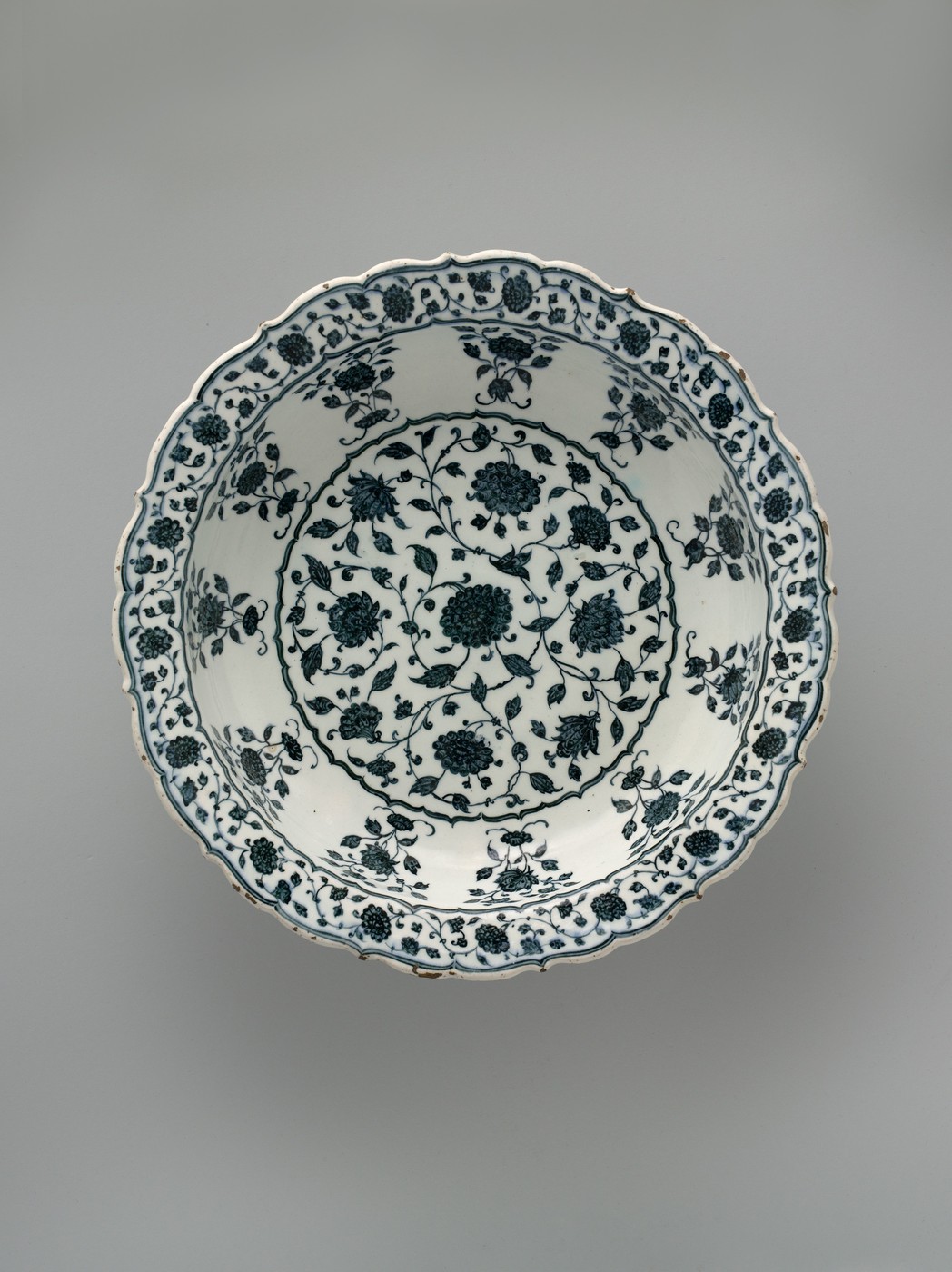
Visual essay / New investigation
Where does imitation end and invention begin?
China · Iznik
15th-century prototypes / c. 1570–80
What happens when a printed figure enters another painter’s world?
Document-led investigation · source images linkedInteractive passage / New investigation
What happens when a printed figure enters another painter’s world?
Rome · Mughal India
1564 / c. 1580–85
Can a sculpture remember weaving without being woven?
Document-led investigation · source images linkedVisual essay / New investigation
Can a sculpture remember weaving without being woven?
Ghana · Nsukka, Nigeria
2007 / studio account filmed 2011
What if the thing passed on is a way of working together?
Document-led investigation · source images linkedVisual essay / New investigation
What if the thing passed on is a way of working together?
Austin · New York · Dominican diaspora
Late 1990s / 2010
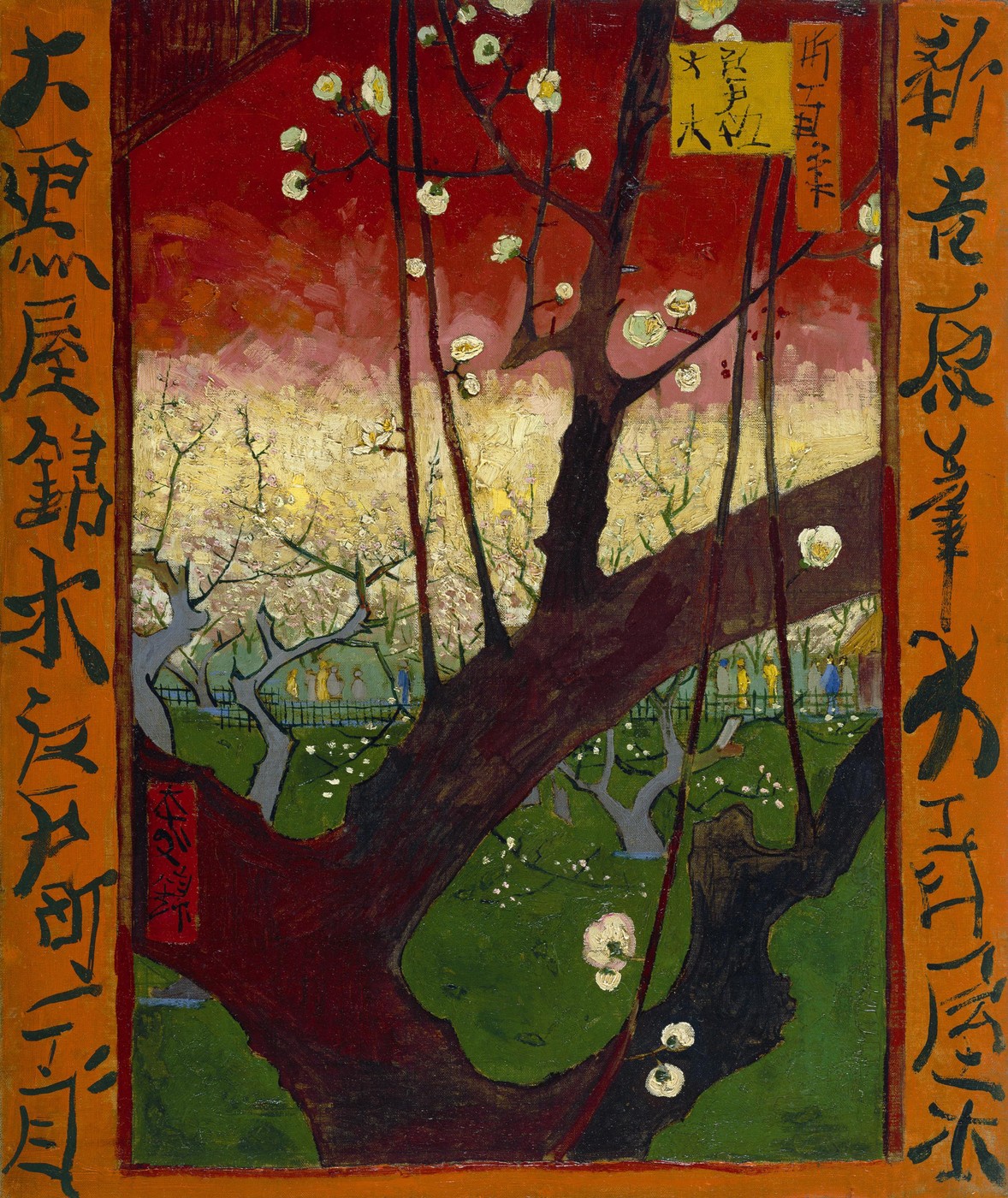
Interactive passage / New investigation
Why does the painting differ from the print he owned?
Edo · Paris
1857 / 1887
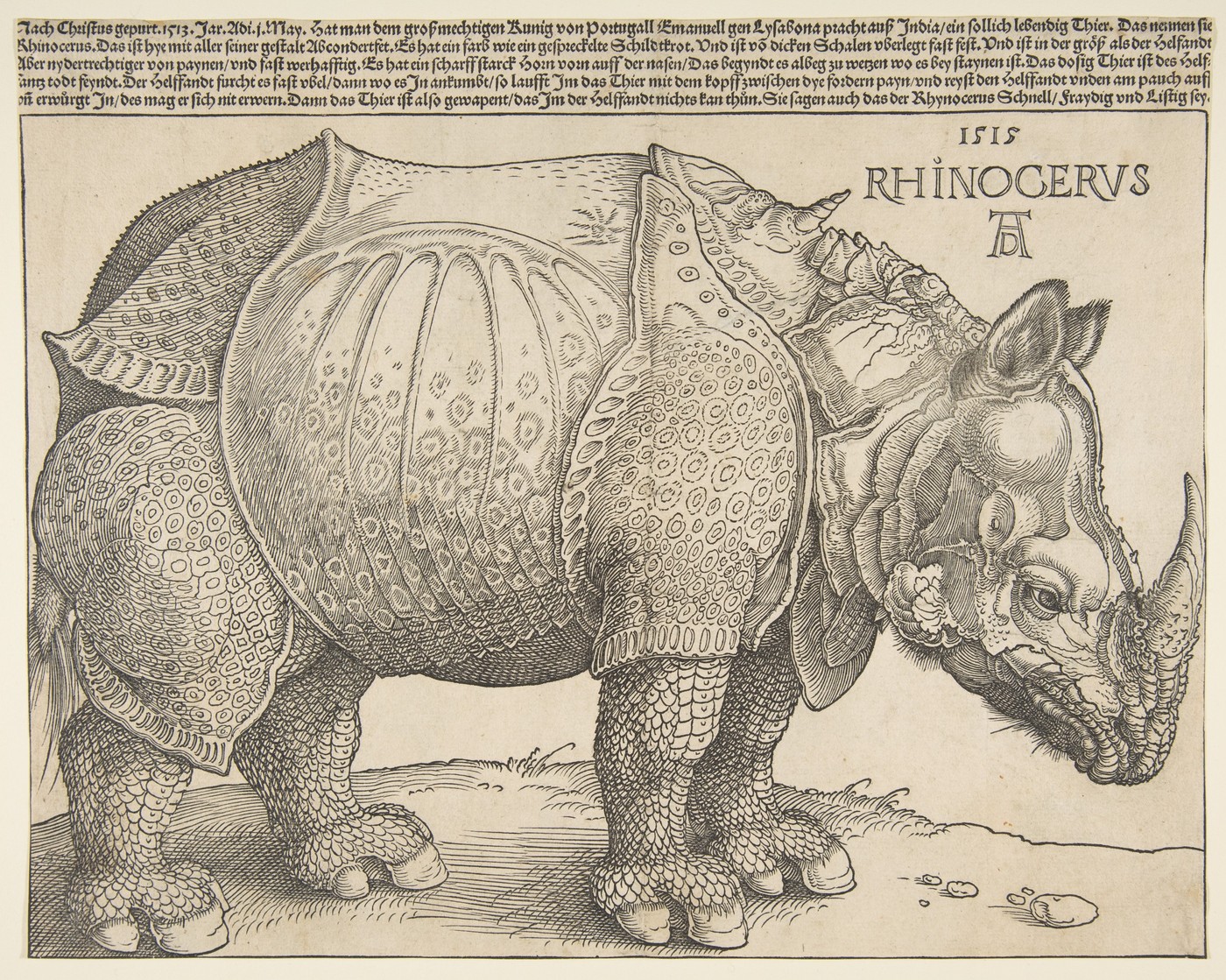
Visual essay / New investigation
How can an image become authoritative without an eyewitness?
Lisbon · Nuremberg · Meissen attribution
1515 / later porcelain adaptation
Visual essay / New investigation
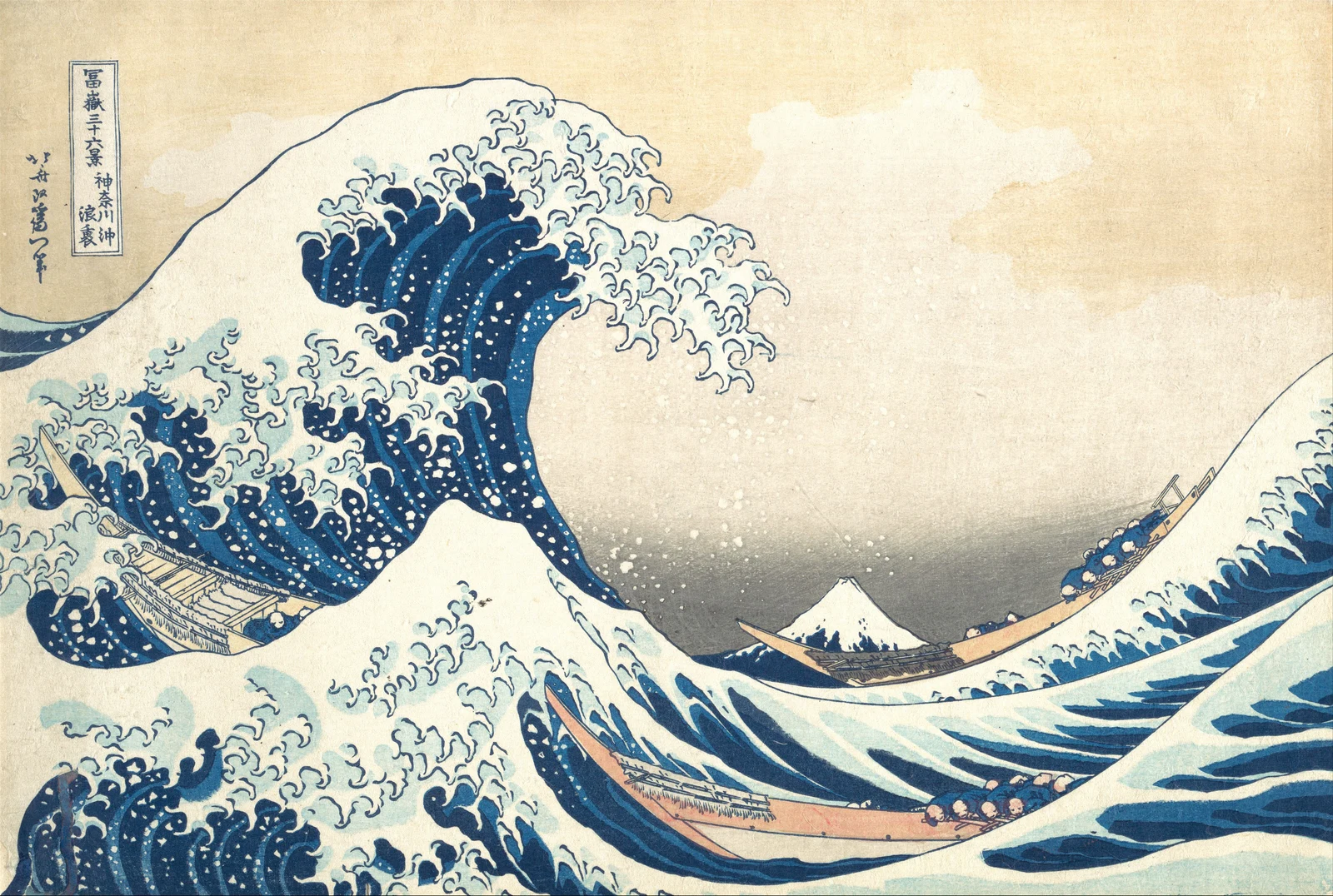
What if the traveller is a material, rather than a picture?
China · Japan
Late 1820s / c. 1830–32
Who is adapting to whom when a textile is made for export?
Document-led investigation · source images linkedVisual essay / New investigation
Who is adapting to whom when a textile is made for export?
Indian subcontinent · Europe · Indian Ocean networks
17th–18th centuries / curtain 1720–40
Connection study / New investigation
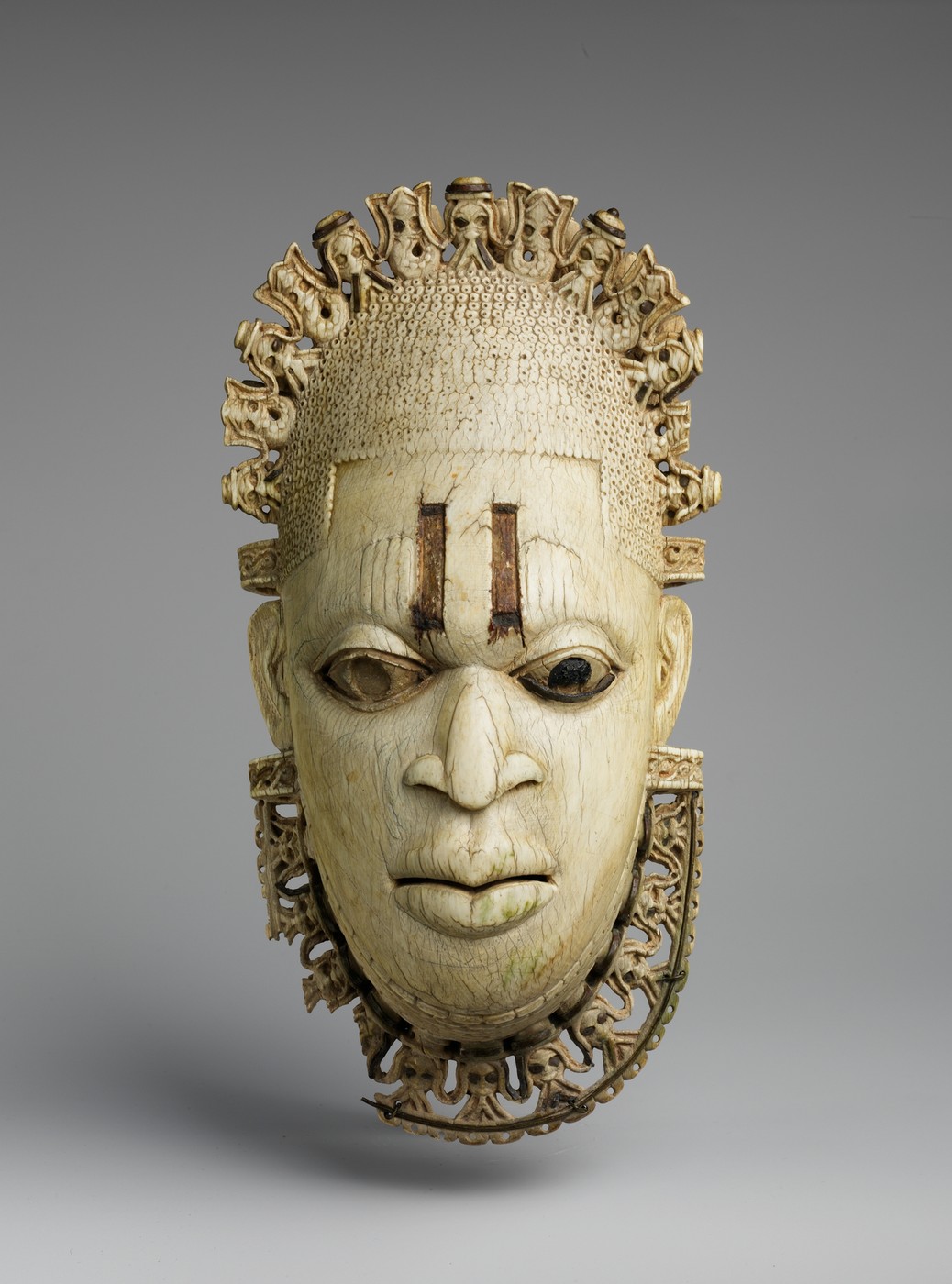
How can an image return while the object stays away?
Benin City · London · Lagos
16th century / 1897 / 1977
Connection study / New investigation
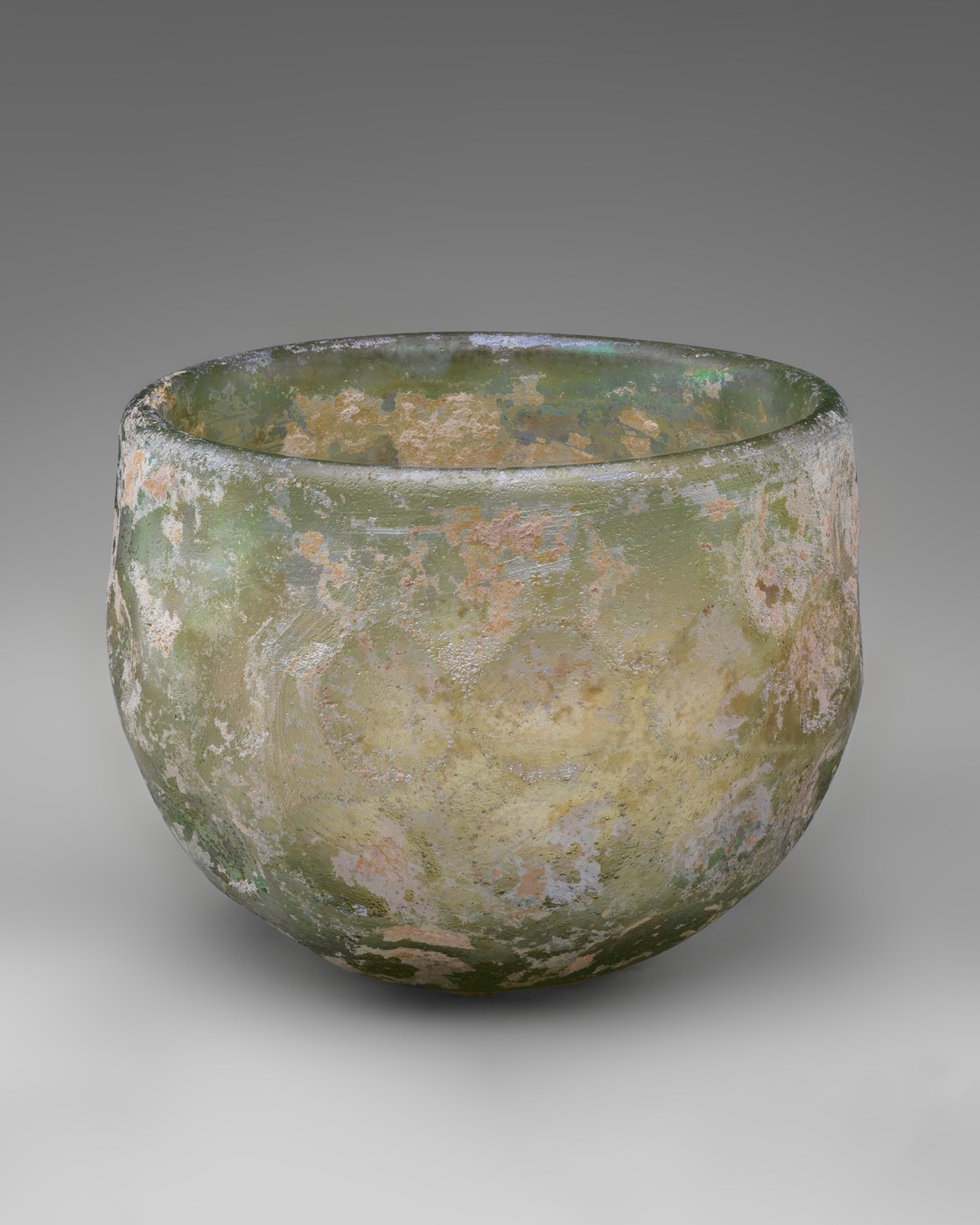
How far can a form travel beyond the history of one object?
Iran · Japan
6th–8th centuries
What changes when a printed scene is remade in iridescence?
Document-led investigation · source images linkedInteractive passage / New investigation
What changes when a printed scene is remade in iridescence?
Mexico City · Europe
1539 / colonial Mexico
Visual essay / From the journal
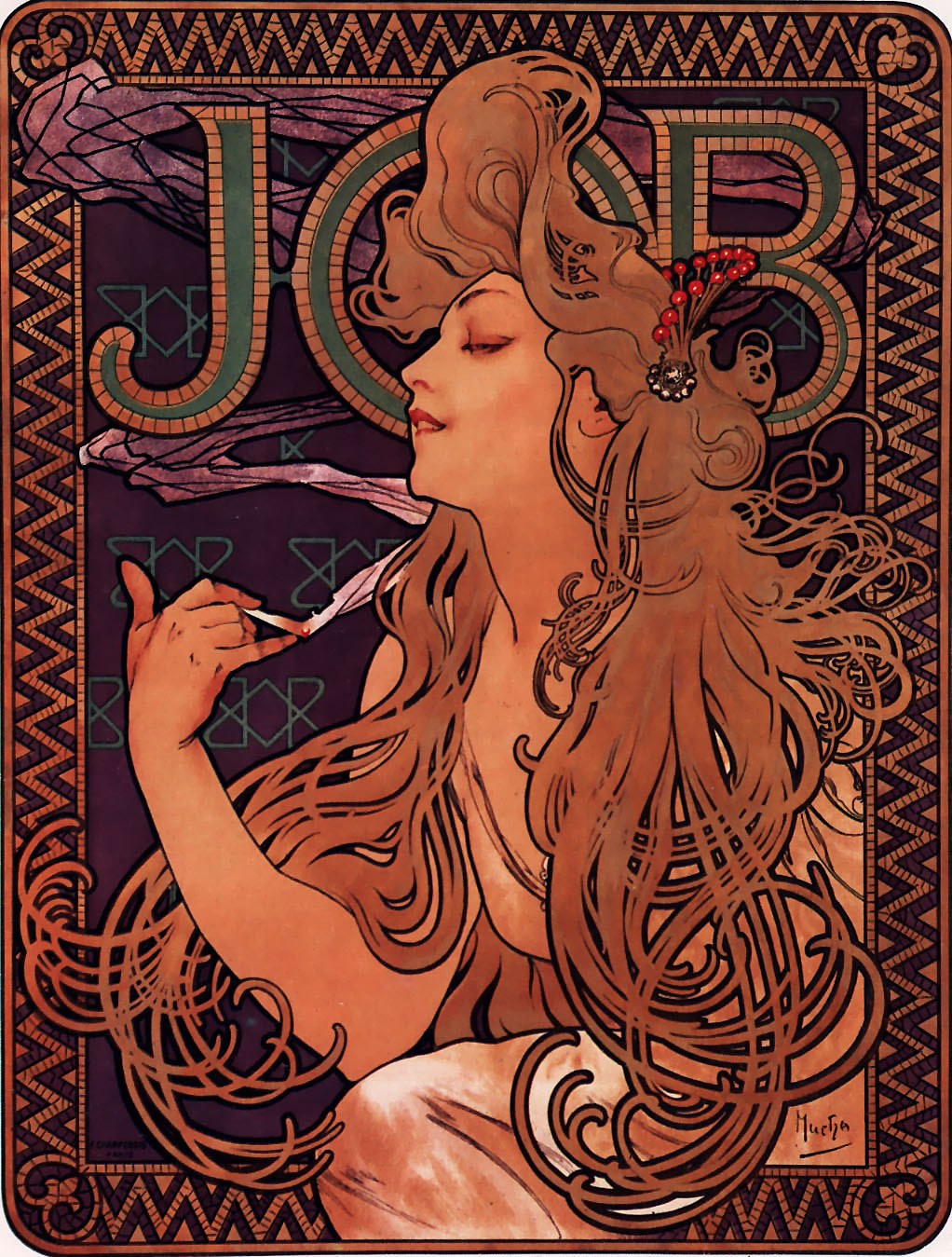
What survives if you cover the words?
France · San Francisco
Mucha, Mouse & Kelley / 1896 → 1966
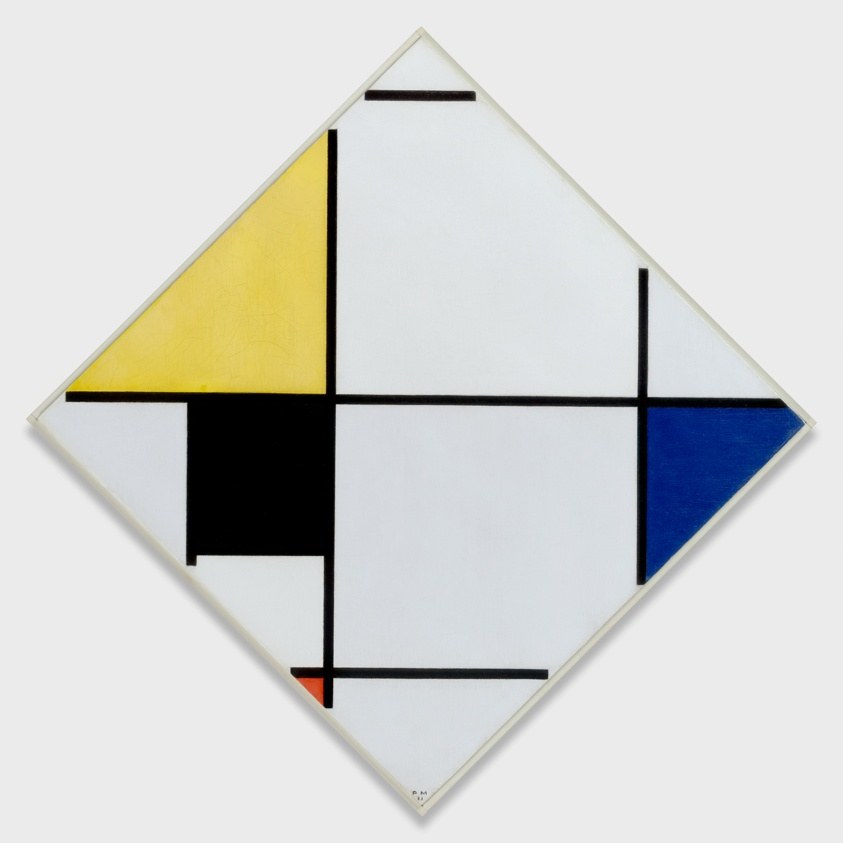
Visual essay / From the journal
Where does the composition have to negotiate an edge?
Europe
Mondrian & Saint Laurent / Painting → clothing
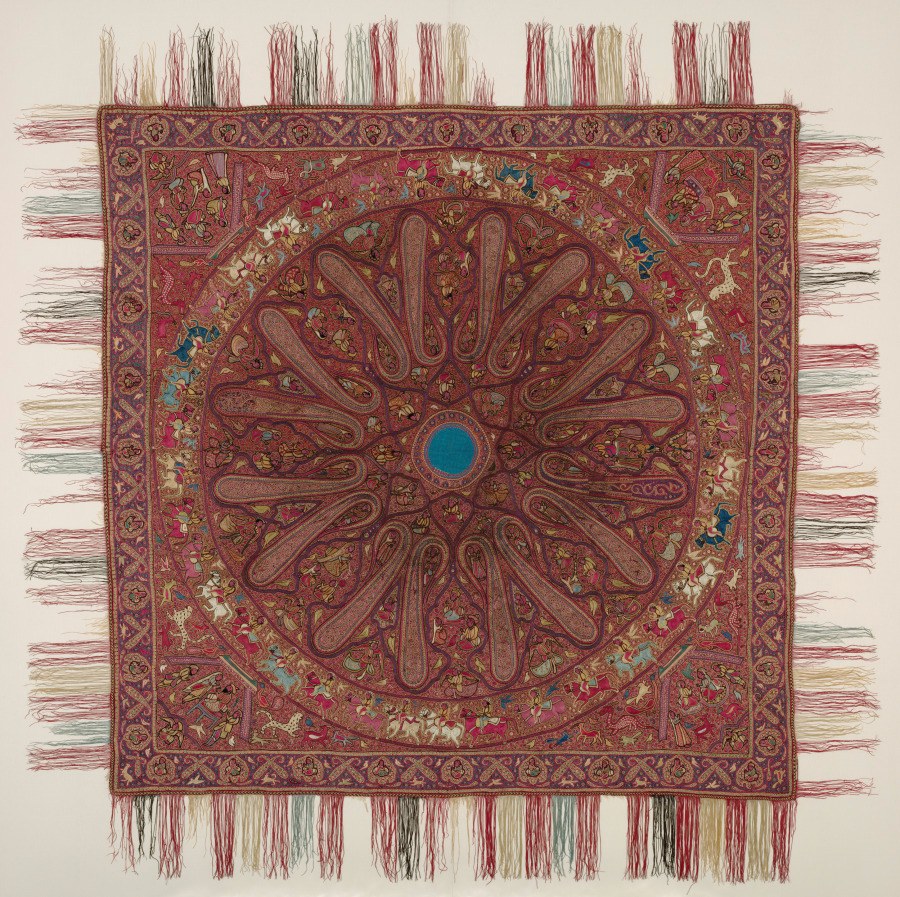
Visual essay / From the journal
What does the name paisley bring into view—and what does it leave out?
Kashmir · Europe
Kashmir & Europe / Shawls, trade and naming
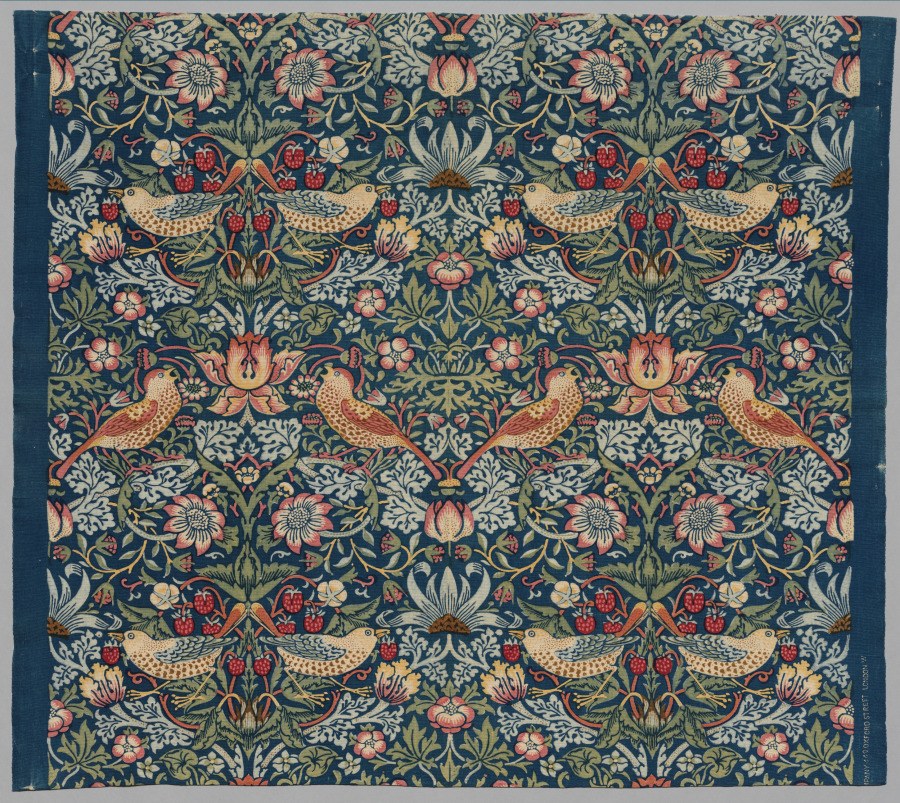
Visual essay / From the journal
Where would you begin if this pattern were a journey?
Britain
William Morris & Sophia George / Textile → game
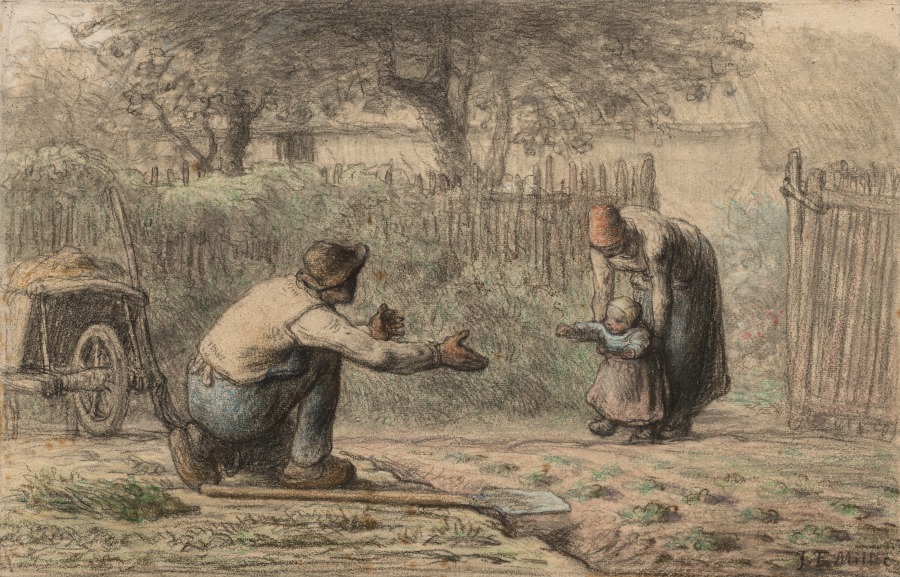
Interactive passage / From the journal
What can a photograph carry from one painter to another?
France
c. 1859–66 / 1890
Visual essay / From the journal
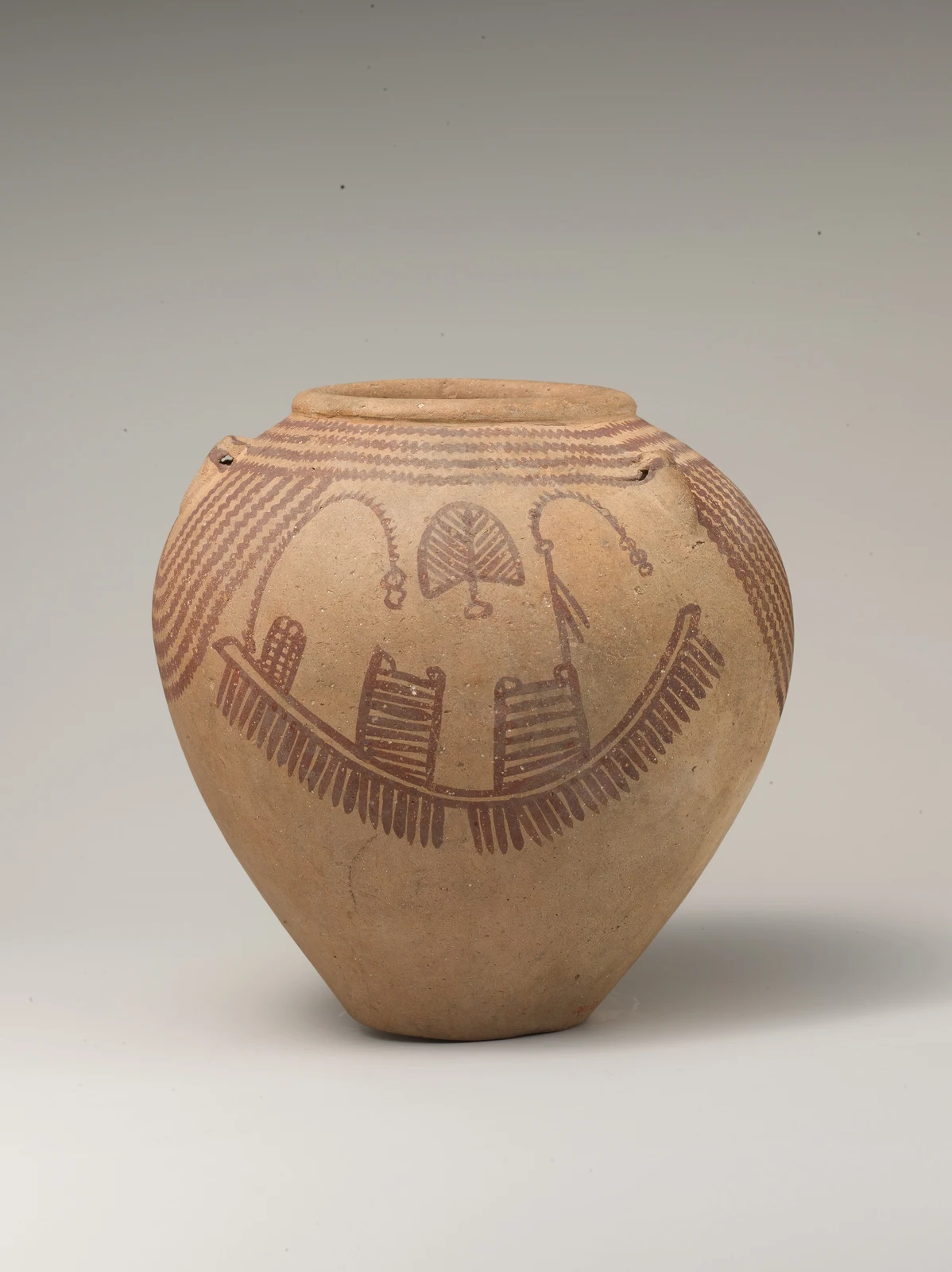
What changes when a mark belongs to a curved surface?
Egypt · Japan
Ancient Egypt / Edo-period Japan