Band
Band
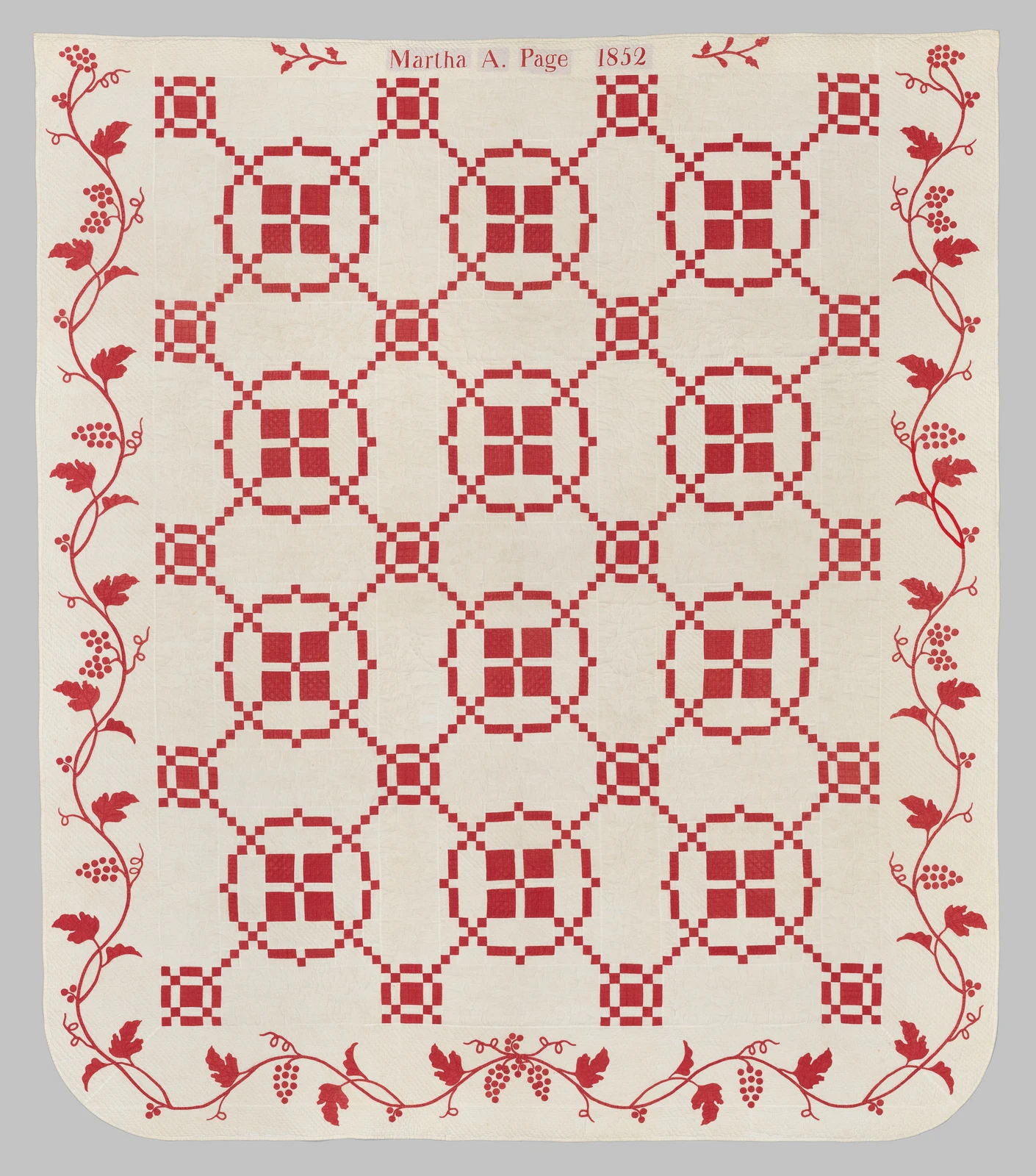
Maker unrecorded. 17th century. Medium: silk, linen Technique: embroidered. Explore the catalogue record, image rights and documented connections from Cooper Hewitt, Smithsonian Design Museum.
A record, with reasons
Ways into this work
Open a description to see its meaning and evidence, or follow it into the collection.
Catalogue knowledge
Normalized from the museum’s record.
BandObject type
Band is a type of object named in the museum catalogue.
An explicitly supplied catalogue description, normalized conservatively. It does not independently establish attribution, completeness, symbolism or historical influence.
Cooper Hewitt, Smithsonian Design Museum supplies “Band” in its object type field. This label was normalized by the documented import rule.
Band
Catalogue: Cooper Hewitt, Smithsonian Design Museum. Automated source-field normalization; no independent visual interpretation.
Source normalization checked 2026-10-21 · 2026-10-20.1
SilkMaterial
Silk recorded in the object's medium.
A depicted material or colour resemblance is a separate assertion.
Cooper Hewitt, Smithsonian Design Museum supplies “Medium: silk, linen” in its medium/materials field. This label was normalized by the documented import rule.
Medium: silk, linen
Catalogue: Cooper Hewitt, Smithsonian Design Museum. Automated source-field normalization; no independent visual interpretation.
Source normalization checked 2026-10-21 · 2026-10-20.1
LinenMaterial
Linen is a material named in the museum catalogue.
An explicitly supplied catalogue description, normalized conservatively. It does not independently establish attribution, completeness, symbolism or historical influence.
Cooper Hewitt, Smithsonian Design Museum supplies “Medium: silk, linen” in its medium/materials field. This label was normalized by the documented import rule.
Medium: silk, linen
Catalogue: Cooper Hewitt, Smithsonian Design Museum. Automated source-field normalization; no independent visual interpretation.
Source normalization checked 2026-10-21 · 2026-10-20.1
EmbroideryTechnique
Embroidery is a making process named in the museum catalogue.
An explicitly supplied catalogue description, normalized conservatively. It does not independently establish attribution, completeness, symbolism or historical influence.
Cooper Hewitt, Smithsonian Design Museum supplies “Medium: silk, linen Technique: embroidered” in its medium/techniques field. This label was normalized by the documented import rule.
Medium: silk, linen Technique: embroidered
Catalogue: Cooper Hewitt, Smithsonian Design Museum. Automated source-field normalization; no independent visual interpretation.
Source normalization checked 2026-10-21 · 2026-10-20.1
Visual observation
Observations of the displayed image.
RepetitionComposition
A visible recurrence of marks, units, or forms within the image.
This observation belongs to the selected image; it does not establish the maker's intention.
Each stitched unit echoes its neighbour across the warp and weft of the band.
Visual observation by Artologium on the selected image asset.
Reviewed 2026-10-24 · 2026-10-20.1
GridComposition
A visibly organized field of intersecting rows or repeated cells.
This observation belongs to the selected image; it does not establish the maker's intention.
The woven linen ground aligns every stitch to a rectilinear grid.
Visual observation by Artologium on the selected image asset.
Reviewed 2026-10-24 · 2026-10-20.1
Artologium reading
Authored connections, open to interpretation.
Not yet assessed.
These descriptions belong to this object and its selected image. Unlisted features may be unassessed. Editorial observations and readings were developed with AI assistance; they do not establish the maker’s intent.
Keep something. Change the setting.
Follow a connection
A shared description opens a comparison. It does not establish historical influence.
Stay with this work
Let a detail lead you somewhere.
Notice what repeats ↗
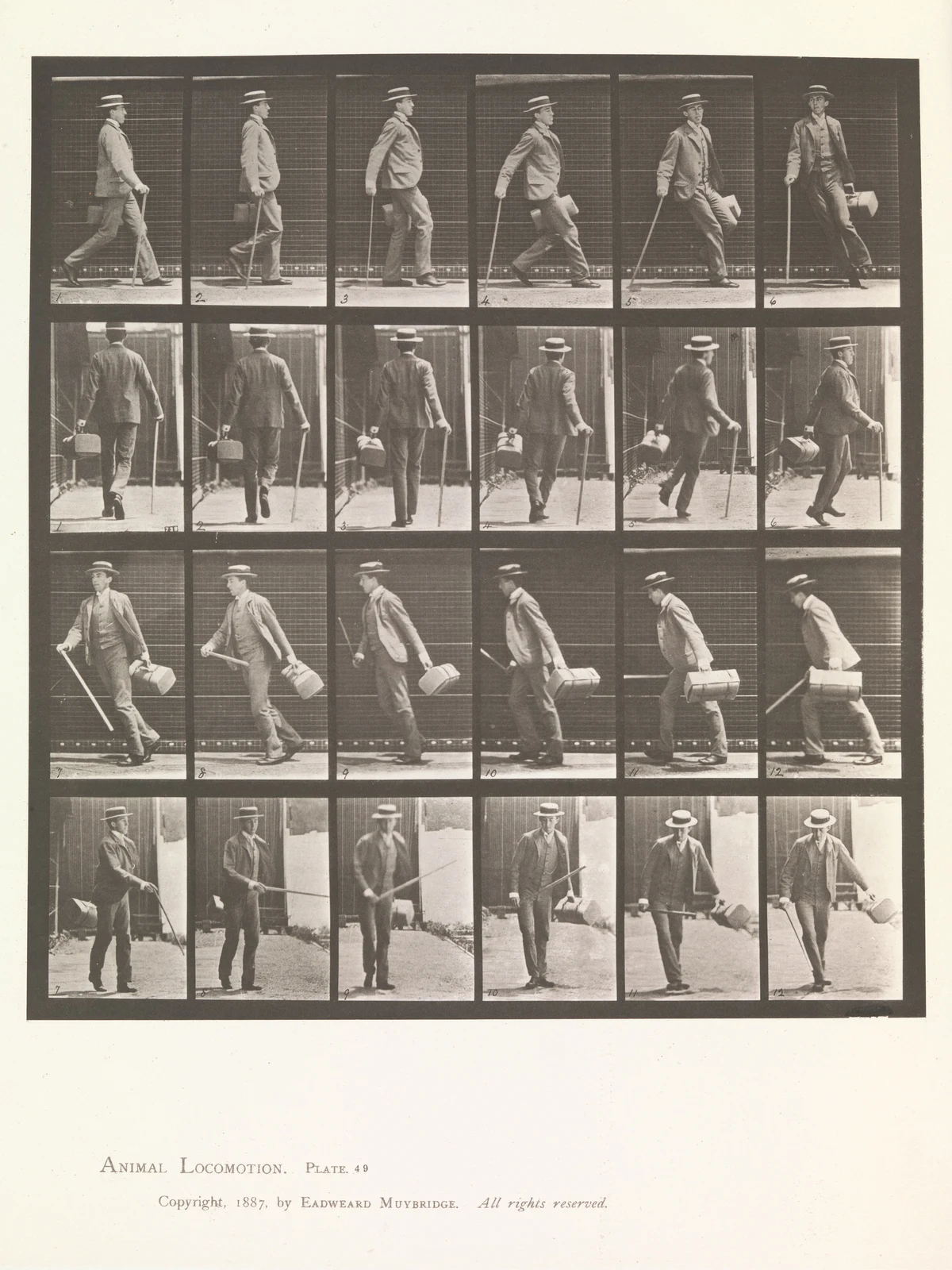
Repetition can circle a ceramic vessel, structure a patchwork quilt, break motion into frames, or continue across the mended crack of a lustre tile. Compare how six objects across four collections use recurrence.
Keep one thing. Change another. ↗
Choose a shared description and inspect the differences the catalogue can support.