Four Dancing Muses
Workshop of Andrea Mantegna. after 1497. engraving on laid paper. Explore the catalogue record, image rights and documented connections from National Gallery of Art.
Follow the maker / Across collections & investigations
Workshop of Andrea Mantegna across 1 collection
Each museum’s exact creator wording is preserved on its record. Reconciled maker links group works attributed directly to Workshop of Andrea Mantegna while keeping workshop, studio, or “after” attributions distinct.
- Virtus Combusta: An Allegory of VirtueNational Gallery of Art · 1500/1505 · 1941.1.1 · Compare side by side →
- Descent into LimboNational Gallery of Art · c. 1475 · 1941.1.8 · Compare side by side →
- Hercules and AntaeusNational Gallery of Art · c. 1495 · 1941.1.9 · Compare side by side →
A record, with reasons
Ways into this work
Open a description to see its meaning and evidence, or follow it into the collection.
Catalogue knowledge
Normalized from the museum’s record.
PrintObject type
An image produced through a printing process.
The depicted subject does not determine the object type.
National Gallery of Art supplies “Print” in its object type field. This label was normalized by the documented import rule.
Catalogue: National Gallery of Art. Automated source-field normalization; no independent visual interpretation.
Source normalization checked 2026-10-21 · 2026-10-20.1
PaperMaterial
Paper recorded in the object's medium.
A depicted material or colour resemblance is a separate assertion.
National Gallery of Art supplies “engraving on laid paper” in its medium/materials field. This label was normalized by the documented import rule.
engraving on laid paper
Catalogue: National Gallery of Art. Automated source-field normalization; no independent visual interpretation.
Source normalization checked 2026-10-21 · 2026-10-20.1
EngravingTechnique
Engraving identified in the source medium.
Do not infer a process solely from visual resemblance.
National Gallery of Art supplies “engraving on laid paper” in its medium/techniques field. This label was normalized by the documented import rule.
engraving on laid paper
Catalogue: National Gallery of Art. Automated source-field normalization; no independent visual interpretation.
Source normalization checked 2026-10-21 · 2026-10-20.1
Visual observation
Observations of the displayed image.
Following a lineComposition
A line or edge that can be followed through the selected image.
This observation belongs to the selected image; it does not establish the maker's intention.
Across the linked hands and billowing hems, continuous contours and parallel burin strokes carry the eye horizontally.
Visual observation by Artologium on the selected image asset.
Reviewed 2026-10-24 · 2026-10-20.1
Drapery and foldsComposition
Visible folds, pleats, or draped cloth forms that structure the image.
This observation belongs to the selected image; it does not establish the maker's intention.
Each tunic breaks into rhythmic, ribbon-like folds that register the rotation of the dance.
Visual observation by Artologium on the selected image asset.
Reviewed 2026-10-24 · 2026-10-20.1
Artologium reading
Authored connections, open to interpretation.
Not yet assessed.
These descriptions belong to this object and its selected image. Unlisted features may be unassessed. Editorial observations and readings were developed with AI assistance; they do not establish the maker’s intent.
Keep something. Change the setting.
Follow a connection
A shared description opens a comparison. It does not establish historical influence.
Stay with this work
Let a detail lead you somewhere.
Follow a line ↗
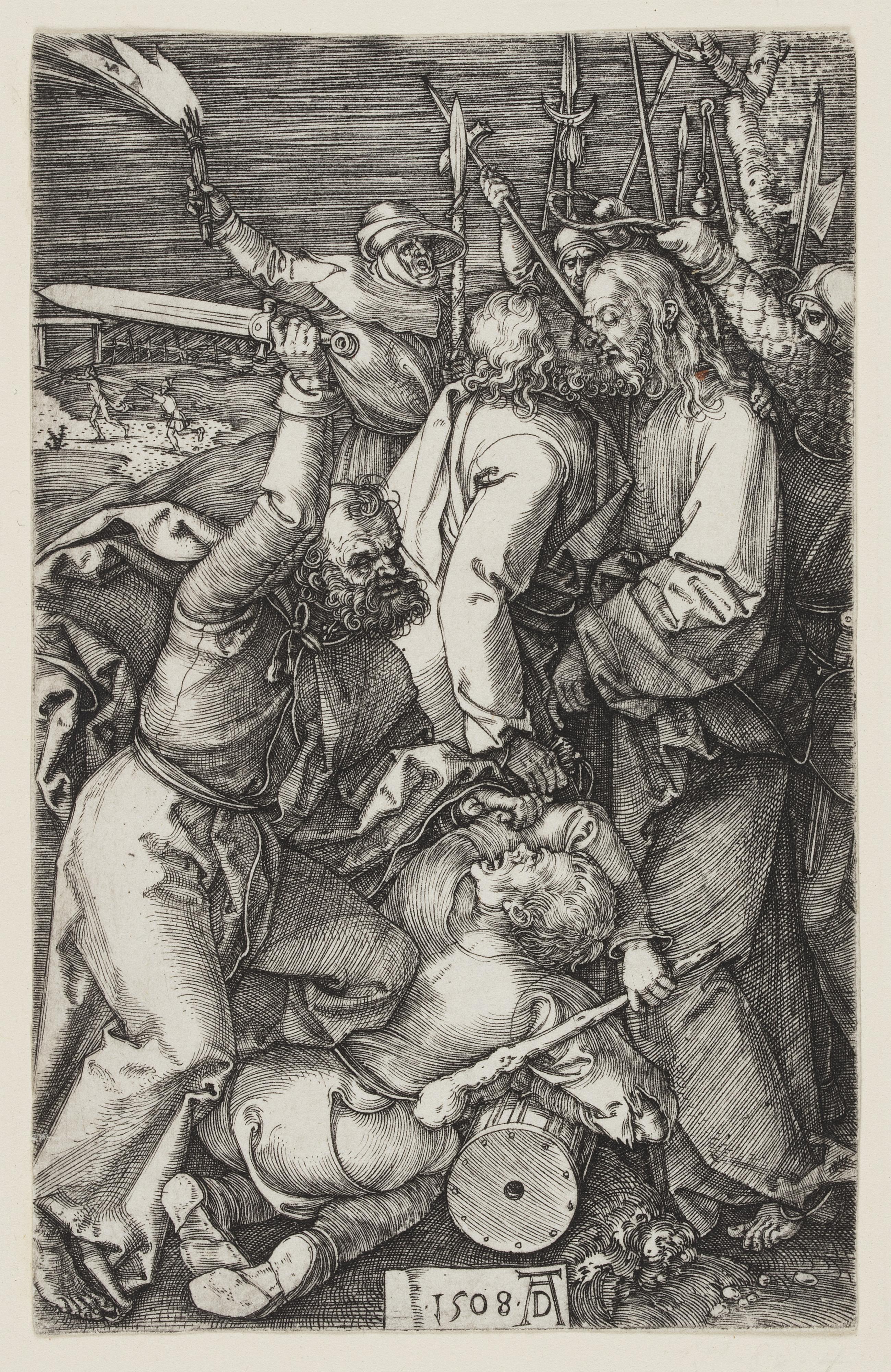
A line can be carved into a woodblock, incised into copper, drawn in black chalk, or ruled in graphite for a cabinetmaker. These six works across four museums ask your eye to move along a mark before asking what it represents.
Follow the fold ↗
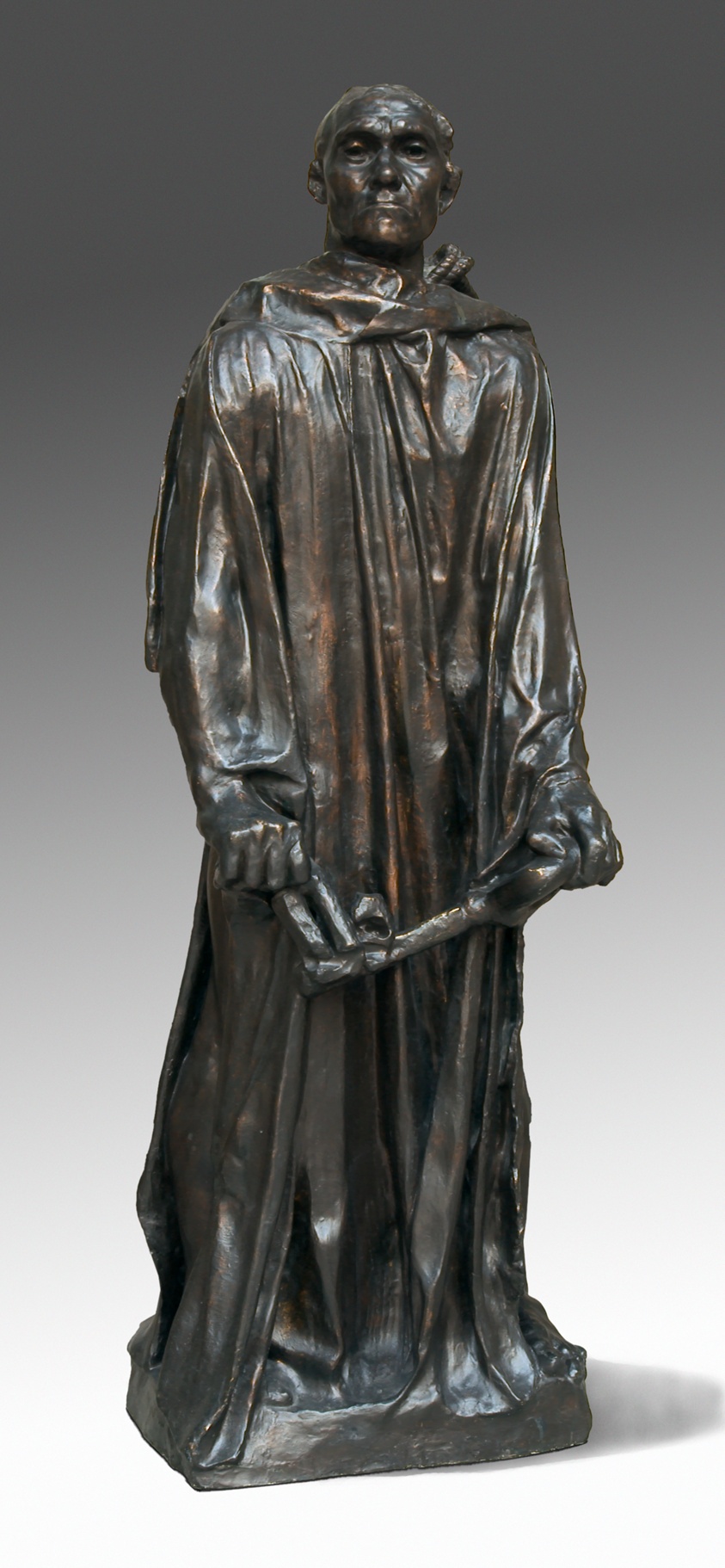
Drapery is where gravity becomes visible. Across alabaster, plaster, engraved copper, and red chalk, follow how five works in five museums use folds to conceal, anchor, or animate a body.
Keep one thing. Change another. ↗
Choose a shared description and inspect the differences the catalogue can support.